Your guide to Marseille
Marseille highlights
Football focus
There are few things the Marseillais love more than their football team. Plan to have your trip to Marseille between August and May (French football season), and you can join in the chanting at the Orange Velodrome, France’s largest club football stadium. If you can’t get a ticket, watch the action on giant screens at Vieux Port – either way, the atmosphere is electric.
Marseille’s signature dish
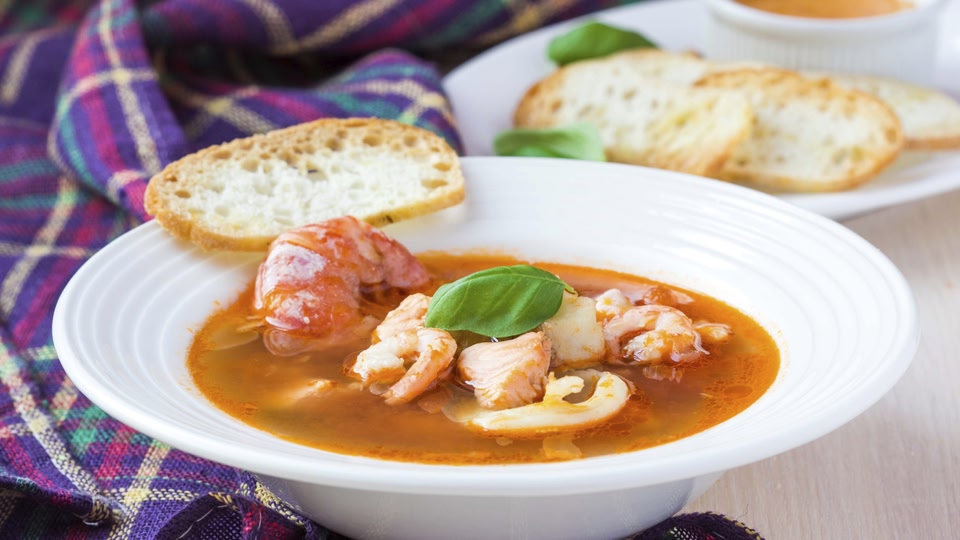
No city break in Marseille is complete without sampling its most famous dish – bouillabaisse. Legend has it that this aromatic fish soup was created by local fishermen to use up leftover catch. These days it’s found everywhere from high-end restaurants to street food stalls and cafes. Try it at family-run Restaurant Michel, or head to nearby fishing village Les Goudes, where there are several excellent options.
Historic heights
Taking in the views from Basilique Notre Dame de la Garde is a true highlight of a trip to Marseille. This Romano-Byzantine basilica sits at the city’s highest point, offering impressive 360-degree panoramas, as well as an ornate interior full of mosaics and murals. It’s a steep walk to get here from central Marseille, so catch the 60 bus from Vieux Port if you’d rather spare your thighs.
Marseille: Know before you go
| Language | French |
|---|---|
| Currency | Euro (€) |
| Time zone | UTC+1 (CET) and UTC+2 (CEST) |
| High season | July - August |
| Low season | January - February |
Find the best time to go to Marseille
Weather in Marseille
April – May: Pack layers for the last of winter’s heavy winds, which can blow into April. As temps climb, look forward to trips to the surrounding Provence countryside.
June – August: Temperatures regularly climb past 29°C, packing the local beaches with sun-worshipers. It’s a great time to visit an outdoor festival.
September – October: The weather is perfectly warm for dips in the sea and coastal hikes. Head to nearby Parc National des Calanques to have the trails to yourself.
November – March: Despite Marseille’s Mediterranean climate, winters get cold, with temperatures often hovering just above freezing. Winter is also prone to high winds. Some attractions close for the season.
Events in Marseille
Festival de Marseille (June to July): Marseille’s rich cultural diversity and thriving arts scene spring to life with cultural dance performances, music concerts, film screenings and talks at venues across the city.
Fiesta des Suds (October): A highlight of the city’s event calendar since 1992, this music festival showcases headlining musicians and emerging artists in a wide range of genres, including pop, rap, hip-hop, rock, folk and world music.
Foire aux Santons (November to January): There’s no better way to experience a Provençal Christmas than at this unique fair celebrating ‘santons’ — small, clay figurines depicting nativity characters. Along with stalls selling the traditional santons, expect family-friendly workshops and children’s activities.
The best neighbourhoods in Marseille
Le Panier
Le Panier’s historic buildings and central location make it one of the best areas to stay in Marseille. It’s the city’s oldest neighbourhood and is perfect for an afternoon of wandering to discover street art, browsing artisan shops and drinking in sunny squares. Neoclassical almshouse and chapel la Vieille Charite is both a museum and cultural centre and is well worth an hour or two of your time.
Good for: History, cafes, street art
Vieux Port
The city’s main maritime hub, Vieux Portis is one of the best places to stay in Marseille. After you’ve checked out the fishing boats and chosen your fantasy yacht, settle down in a waterfront restaurant for some of the best seafood (and views) on the Mediterranean. If you’re an early riser, head to the port’s renowned fish and seafood market to buy the catch of the day and take some interesting photos.
Good for: People watching, views, markets
Prado-Perier
If you’re wondering where to stay in Marseille for a taste of day-to-day life, look no further than Prado-Perier. This firmly residential neighbourhood is home to the city’s best schools and green spaces as well as a vibrant daily market on the Prado. Once you’re done making like a local, the city’s main attractions are just a short ride away by bus or metro.
Good for: Parks, shopping, local life

Things to do in Marseille
Family friendly things to do
It’s easy to find things to do with family in Marseille, especially if you love the outdoors. Book a sailing tour of Parc National des Calanques to explore quiet coves and beaches, or take a shuttle boat from Vieux Port to the Frioul Islands. These islands are home to the fortress-turned-prison Château d’If, which features in Alexandre Dumas’ classic ‘The Count of Monte Cristo’.
Shopping
Designer boutiques are always an option when shopping in Marseille, but the city is better known for its markets and vintage stores. For secondhand shops, try the streets of bohemian Noailles, and be sure to check out the Marche des Capucins, a Marseille institution selling everything from freshly baked pastries to mountains of North African spices.
Take in the culture
Museums in Marseille are as diverse and dynamic as the city’s population. The region’s heritage is on show at Mucem, the Musee d'Histoire de Marseille and Palais Longchamp. Modern art is the mainstay of Musee Cantini and the Musee d'Art Contemporain (MAC). The Musee des Arts Urbains a Marseille is an open-air trail showcasing the city’s best street art.
Places to eat
Restaurants in Marseille have upped their fine dining game, but if you’re on a budget, the L’Estaque neighbourhood has food trucks serving traditional snacks such as chickpea fritters, Marseille-style pizza and Maghreb flatbreads. For a taste of the city’s multicultural community, try Cours Julien, where you’ll find everything from traditional French to Creole and Algerian cuisine.
Nightlife
Much of the nightlife in Marseille takes place outdoors, thanks to the city’s balmy climate. If you’re here during summer, start your night with a pastis at one of Vieux Port’s waterfront bars, then move on to one of the city’s rooftop clubs, where you’ll hear everything from Afrobeat to drill music to EDM. Vieux Port, Le Panier and Le Cours Julien (‘Cours Ju’ to locals) are popular nightlife hubs.
Free things to do
If you're after an affordable trip to Marseille, you'll be pleased to know that there are plenty of free things to do. Soaking up the atmosphere of Vieux Port or Le Panier costs nothing, nor does viewing permanent collections in the city's municipal museums – though you will have to pay for temporary exhibitions. For a green, no-cost escape from the city, Parc Borely has botanical gardens, a lake and a castle.
Get ready for Marseille
Budget
An affordable stay in Marseille is doable with some careful planning. Prioritise activities like strolling the city’s neighbourhoods and enjoying museums on free admission days to help tighten the budget. Set aside around 15 euros (€) for a simple meal in a restaurant and €10 for a short taxi ride. Thirsty? A coffee is usually about €3.
Day trips from Marseille
Drive 30 minutes to Aix-en-Provence to wander the city’s elegant cobblestone streets and visit Post-Impressionist painter Paul Cézanne’s former studio. For more art history, head to Arles, an hour away by train. Home to the Fondation Vincent Van Gogh Arles, it also boasts fascinating Roman ruins and is an easy gateway to the Camargue region.
Getting around Marseille
The local public transport network includes buses, trams and even sea shuttles to help you navigate Marseille with ease. Pick up a City Pass — which also includes museum admissions — to have unlimited access, including to public-sharing city bikes. Heavy traffic can make driving stressful. So consider skipping the car hire unless you plan to take day trips outside the city.