Holidays to Namibia
Top destinations in Namibia

Windhoek
Namibia’s high-altitude capital delivers plenty of big thrills. Go hiking in the hills or spot giraffes, antelopes and baboons on a safari. This is Africa at its best.

Walvis Bay
Walvis Bay’s otherworldly desert landscapes are the perfect backdrop for outdoor adventure, from climbing towering sand dunes to kayaking through flamingo-filled lagoons.

Luderitz
Perched on the Atlantic coast, Luderitz invites you to explore wild western Namibia, from breathtaking desert moonscapes to German Colonial architecture and eerie ghost towns.
Namibia: fast facts
| Language | English |
|---|---|
| Currency | Namibian dollar (N$) |
| Time zone | UTC+2 (CAT) |
Namibia holiday highlights
Massive sand dunes
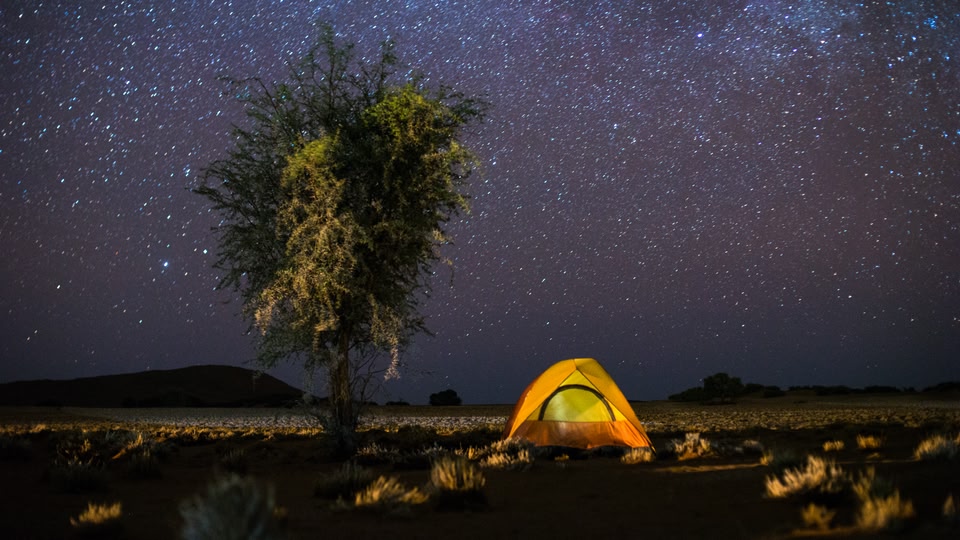
The world’s largest sand dunes rise above the ancient Namib Desert. Climb Big Daddy Dune for breathtaking views over the beautifully silent Deadvlei and Sossusvlei salt-clay pans. Sunrises and sunsets from the summit of Dune 45 are a mystical experience. Look closely at the rust-red sand to observe the tracks of foxes, geckos, spiders and other resilient animals.
Wildlife spotting
Seeing African wildlife up close is one of the most exciting things to do in Namibia. And there are few better ways to enjoy the experience than on a safari at Etosha National Park. Watch as elephants, leopards, lions and rhinos gather to drink at dozens of waterholes. Famous for its focus on conservation and ‘people’s park’ concept, Bwabwata National Park also deserves a visit.
Tribal traditions
Namibia’s diverse cultural makeup ranges from the San people of the Kalahari Desert and semi-nomadic Himba people to Afrikaaners. Join a tour of a Himba village near Opuwo to experience their lifestyle first-hand. The Living Museum of the Ju/'Hoansi in Grashoek brings the history and customs of the ancient San people to life.
Things to do in Namibia
Top attractions
At Sossusvlei, towering dunes and ancient trees show how life endures in the desert. Or head to the Brandberg, Namibia’s tallest mountain, to see thousands of prehistoric rock paintings. And don’t miss the eerie shipwrecks and seal colony along Skeleton Coast National Park, best explored on a jeep or fly-in safari.
Beaches
The best beaches in Namibia are found along the 1,900-kilometre stretch of Atlantic coastline backed by the Namib Desert. Gather the family for a day of beachcombing, tide pooling and picnicking at Langstrand. Framed by massive dunes, Sandwich Harbour is a prime perch for spotting flamingos and other birds. Serious surfers paddle out at Donkey Bay to ride one of Africa’s longest waves.
Nature
From the dramatic Skeleton Coast to the plant-filled Kalahari Desert, Namibia’s landscapes are as varied as the wildlife roaming them. Discover the rugged beauty of Damaraland’s grasslands, gorges and granite hills. It’s home to iconic sights, including the Petrified Forest and Twyfelfontein rock paintings. Set off on a multi-day hike through Fish River Canyon, one of the world’s largest canyons.
Culture and museums
Learn about Indigenous and colonial history at the National Museum of Namibia. Then delve into railroad heritage at the Trans Namib Railway Museum. Both located in Windhoek, they are among the best museums in Namibia. Swakopmund Museum is a treasure trove of geological artefacts. Find displays dedicated to handicrafts, natural science and maritime traditions at Walvis Bay Museum.
Cuisine
Restaurants in Namibia offer a variety of local ingredients, such as game meat, Kalahari truffles and Walvis Bay oysters. Feast on ‘kapana’ (grilled meat strips with spicy tomato sauce) at Soweto Market in Katutura Township. Or try edible caterpillars called ‘mopane worms’. ‘Eisbein’ (deep-fried pork knuckle) and ‘landjäger’ (smoked sausage) are popular in German-settled cities like the capital Windhoek.
Family friendly
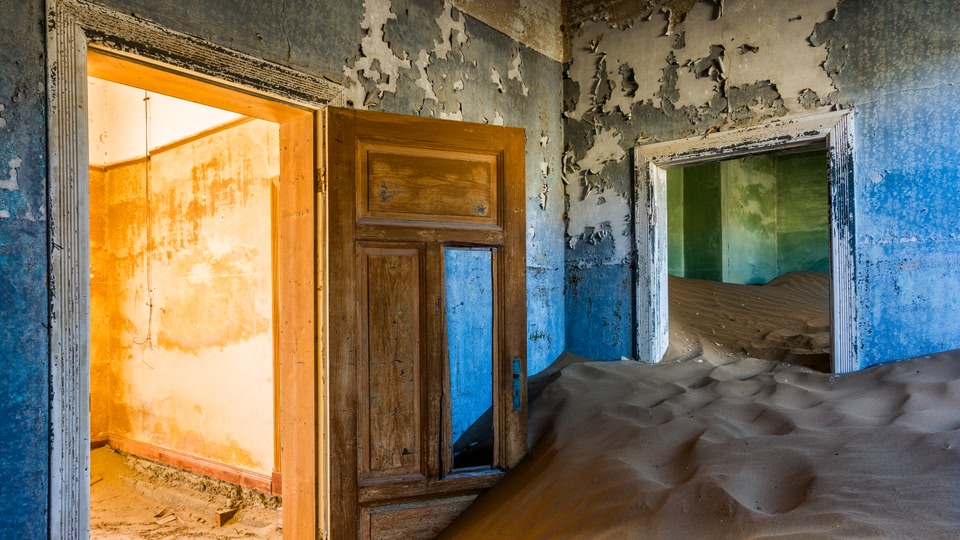
In Windhoek, the National Earth Sciences Museum showcases dinosaur fossils, meteorites and minerals that tell Namibia’s ancient story. At Cape Cross Seal Reserve in Dorob National Park, you can see the world’s largest colony of Cape fur seals up close. Or head to Kolmanskop, where desert sands have reclaimed a once-thriving mining town.
Find the best time to visit Namibia
Weather in Namibia
May – October: The dry winter season brings sunny, cloudless skies with almost no rain. This is when animals gather at rivers and waterholes, making it the best time to visit Namibia for wildlife safaris, especially in Etosha National Park. Mornings and nights can be frosty from June to August, so remember to pack warm layers.
November – April: Summer in Namibia brings heat and rising humidity, with temperatures often topping 30°C. Afternoon showers and dramatic thunderstorms are common in the north and northeast, sometimes making dirt roads tricky to navigate. On the coast, flamingos flock in huge numbers to the wetlands near Swakopmund and Walvis Bay — a true seasonal spectacle.
Events in Namibia
Independence Day (March): Every 21 March, colourful parades and cultural performances take over the country. It’s when Namibians wear traditional clothing to celebrate their heritage. Expect a day packed with drumming, folk dances and festive gatherings in a showcase of unity and pride.
Windhoek Karneval (March or April): Namibia’s capital city is the backdrop for an annual Carnival started by German settlers in 1953. Expect energetic parades with colourful costumes, a children’s procession, live music and a masked ball.
Windhoek Oktoberfest (October): Held on the last weekend of October, this festival brings a taste of Munich to Namibia. Dress in Bavarian-themed clothes and enjoy a weekend of beer, live music, traditional foods and classic games.
Know before you go
Local etiquette
Avoid revealing clothing, especially when visiting rural villages or attending a traditional ceremony. You should refrain from taking a person’s photo without their permission and be mindful of cultural sensitivities. If you’re invited to a local’s home, always wash your hands before and after eating, and wait for the host to begin the meal.
Health and safety
Travellers from countries with widespread yellow fever must show proof of vaccination. Be aware that malaria is a risk in the northern and northeastern regions. Protect yourself by using insect repellent, wearing long sleeves and consulting a doctor about antimalarial medication. In the desert, be careful of sun exposure and apply lots of sun cream.
LGBTQ+ travel
While Namibia is traditionally conservative, most LGBTQ+ travellers find the country safe and welcoming. It’s best to be discreet about your orientation and avoid public displays of affection. Windhoek offers a few gay-friendly bars and clubs, and Pride Pop-Up organises events like parades and live music to celebrate LGBTQ+ pride.
Budget
Planning a cheap holiday to Namibia is fairly easy. While some of the more exclusive safaris can be expensive, everyday items and services are very affordable. An inexpensive meal costs about 180 Namibian dollars ($), and a domestic beer costs about $25.

Getting around Namibia
Public transportation
Buses: Intercape is the main operator for both domestic and international travel, linking Windhoek with destinations like Walvis Bay, Okahandja and Swakopmund. For cross-border routes, services to South Africa and Zambia are available on their Mainliner and Sleepliner buses, which feature air conditioning, entertainment, reclining seats and toilets.
Minibuses: Shared minibuses are commonly used by locals for short trips and operate on an informal, fill-as-you-go basis. They’re a budget-friendly option, though can often be cramped for longer journeys. Alternatively, private shuttle companies offer more comfortable transport between Windhoek and the coast.
Domestic flights
FlyNamibia operates domestic flights from Windhoek to destinations including Katima Mulilo, Lüderitz, Ondangwa and Walvis Bay. They also offer seasonal shuttle flights to popular tourist spots like Sossusvlei and Twyfelfontein.
Driving
With well-maintained roads and light traffic outside major cities, hiring a car is a convenient option. Distances between destinations can be long, so be sure to fill up on fuel and stock up on food and water. Some remote areas may require a 4x4. And always be on the lookout for wildlife crossing the roads.