It has become a rite of passage for us to capture and share our travel adventures on social media. However, the extent that some would go to just to get engagements for their photos is disheartening.
Have you heard of tiger zoos and elephant shows in Thailand? For decades, people come in droves to snap the “highlight” of their holidays in these places without realising how it is contributing to animal cruelty and suffering.

Now, let’s delve deeper into the issue, with hopes to educate and stamp out unethical wildlife tourism.
The dark side of wildlife tourism
Behind the public eye, the animals behind elephant shows and tiger zoos are held captive and usually “domesticated” for the purpose of entertainment – a practice that goes against what an animal lover will stand for.

Let’s talk about the elephant shows. There have been numerous reports about elephants beaten mercilessly in order to ensure that they “perform” well. During their training, they are chained to the ground, controlled by the use of sheer force, and made to do unnatural circus-like tricks. Young elephants are even wrenched from their mothers so they can start to perform earlier.

What about tiger zoos? These tigers are hand-reared and declawed. If you wonder why the tigers you’ve seen seem unnaturally submissive and weak, that’s because it may be heavily sedated. Sometimes, they are kept in small cages or forced to perform – a far cry from what we picture tigers to be: ferocious and majestic creatures that roam the wilderness.
The infamous Thailand Tiger Temple in Kanchanaburi Province used to house such tigers. After evidence of its wildlife crimes came to light, it was closed to the public in 2016. However, there are many other similar attractions still in operation like the Sriracha Tiger Zoo on the outskirts of Pattaya. It is still open despite alarming reviews and petitions to shut it down.
Many elephants and tigers continue to lead dismal lives and pose as symbols of despair, thanks to businesses that thrive simply because there is a demand for it.
The brighter side of the issue
Fortunately, unethical animal encounters are getting more attention these days. There are animal welfare groups actively making a difference and petitions coming from the public. In general, travellers are also becoming more educated about the realities of wildlife tourism and the importance of animal welfare.
Recently, Thailand has been showing great progress in managing wildlife tourism. The relevant government agencies have been trying to mitigate the problem in many ways: supporting research on wildlife, rehabilitating injured animals, policy-making, and eradicating illegal animal trade. There are also plans to remove elephants from the “Working Animal” list and give them special protective status in future.
On top of that, many locals and tourists have also resorted to boycotting some of these unethical establishments that have no conservation value. The number of old-style zoos and circuses are dwindling, as Thailand continues to reinforce the importance of animal welfare. The country has even legislated its own zoo standard known as the “Thailand Zoo Standard”.
How to avoid unethical animal encounters like tiger selfies and elephant shows
While striving towards a better world where every traveller is mindful of their choices, it’s important to know what to look out for when choosing wildlife attractions. Below, you’ll find some key pointers.
Conduct adequate research
Conduct thorough research before visiting a particular attraction or animal facility. Also, check with local tour companies to see if the attraction has been blacklisted. If in doubt, you can always contact the company directly and ask questions pertaining to the animals.
Consider reviews seriously
Make Google your best friend and read all the reviews, be it positive or negative. Observe if there are any common elements regarding animal welfare, abuse and cruelty, and check if the company boasts a strong ethical foundation. This information will help you determine if the animal encounters are unethical.
Support ethical animal sanctuaries
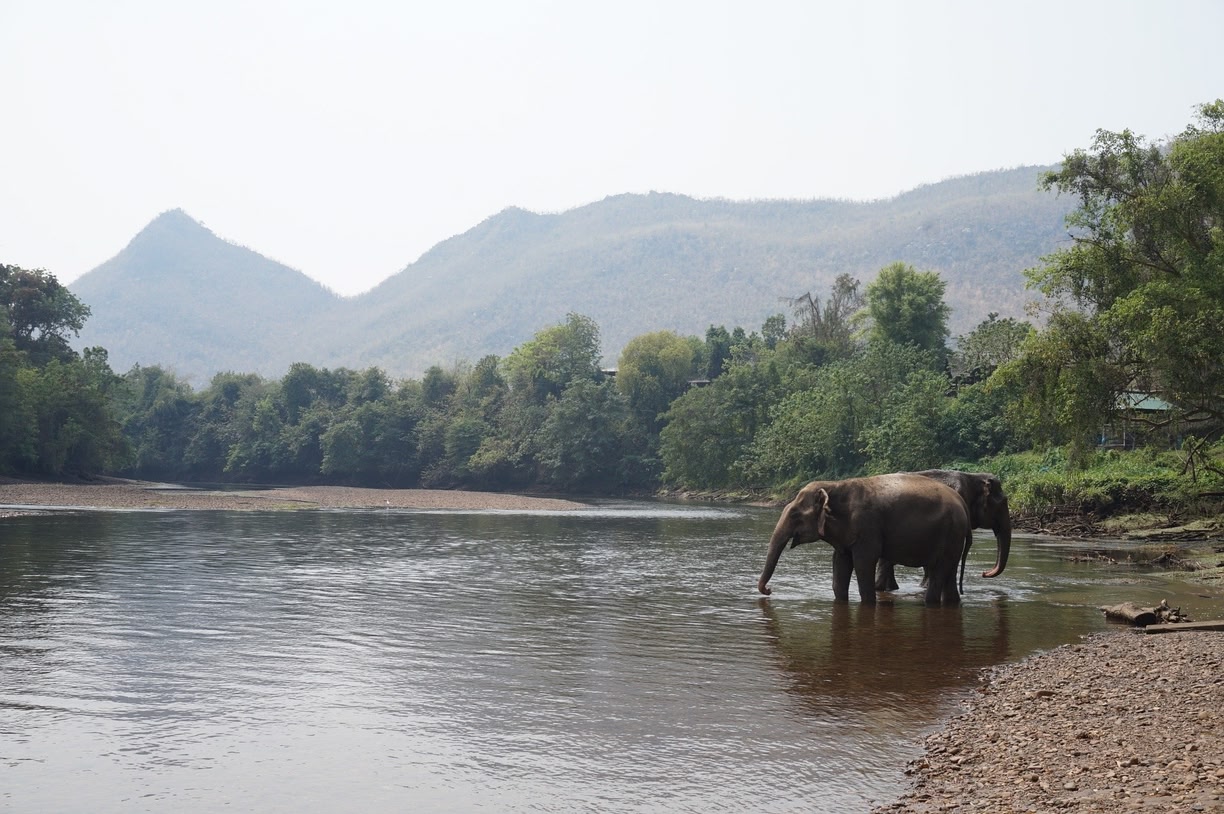
The best way is to support and visit ethical animal sanctuaries that have proven to successfully rehabilitate and care for creatures in need. Instead of a tiger selfie or an elephant ride, spend the afternoon learning about an elephant’s diet and give it a bath at the river. You can have an enriching experience while doing your part for animals.
Recommended ethical animal sanctuaries in Thailand
There are plenty of animal sanctuaries in Thailand which promote the importance of upholding animal welfare. These sanctuaries rescue, rehabilitate, and save the lives of countless precious animals.
Elephant sanctuaries
Established in the 1990s, Elephant Nature Park in northern Thailand is an elephant rescue and rehabilitation centre. Here, you can witness carefree elephants eating, swimming and sauntering around at their own pace. You can even feed or help bathe these gentle giants!
Next, the Phuket Elephant Sanctuary is in charge of rescuing sick, injured and old elephants that have suffered in the logging and tourism industries. This vast sanctuary gives elephants a brand new home that resembles more of their natural habitat. You can watch elephants frolicking around, without being under the pressure of space constraints.
Another ethical elephant sanctuary is the Wildlife Friends Foundation Thailand (WFFT) in Petchaburi. WFFT is a non-governmental organisation founded in 2001 that aims to rescue and rehabilitate captive wild animals. WFFT also advocates against illegal animal trade in Thailand. You’ll be pleased to note that there is a strict “Hands Off” policy here, whereby any direct contact with the animals is prohibited. Glimpse at the elephants at the Elephant Refuge and Education Center, and observe other rescued animals such as gibbons, macaque and otters in a responsible manner.
Lastly, consider Burm & Emily’s Elephant Sanctuaries (BEES) in Chiang Mai. BEES offers an immersive experience where interestingly, humans work to serve the local elephant residents instead. You can participate by harvesting the bananas, planting grass for the elephants or cleaning their living areas. Alternatively, you can simply enjoy observing these gentle giants in their natural elements.
Other animal sanctuaries
Aside from sanctuaries catered to elephants, there are other animal sanctuaries dotting the cities and countrysides of Thailand.
Consider a visit to the Gibbon Rehabilitation Project, which seeks to reverse the effects of poaching. Gibbons were poached to almost to extinction about 40 years ago and this programme has successfully introduced 50 gibbons back into the forests. You can learn more about the conservation efforts and check out the beautiful sanctuary where these gibbons now consider home.
If you’re a dog lover, Rescue Paws in Hua Hin will entice you! This non-profit organisation has improved the lives of dogs since 2013 through a simple feeding programme. Volunteers can feed the strays or take them for a walk along the beach.

It may require a bit more effort, but there are plenty of options available to travellers who want to experience wildlife in a more ethical manner, respecting the animals in their natural habitat. Remember to always do your research before travelling and read guidelines from local wildlife authorities in the country you are travelling to.


