So you’ve always been known to be quite the globetrotter. You travel far and wide, explore new cities and return home with lots of stories to tell. Then a baby came along. Why should the travelling and adventures stop? After welcoming your baby into your home, you already started making improvisations in your everyday life anyway. Having holidays with them will simply become part and parcel of your newfound parenthood. Travelling with an infant is not as scary as you think, but you do need to be prepared — mentally, emotionally, and packing right for the flight. With a little planning, a packing list, and some can-do spirit, you’ll be fine!
To help you along, we’ve compiled some answers to frequently asked questions about flying with a baby for the first time, as well as a collection of tips that seasoned parents wished they knew before they went on their first flight with a baby.
FAQs about travelling with an infant
1. How old should my baby be before flying?
There is no international standard determining how old your baby must be before flying. Different airlines have their regulations on this. If you plan to fly with Singapore Airlines, your baby should be more than 7 days old at the point of travel. For many other airlines, the rule of thumb seems to be a minimum of 14 days old.
2. Do babies fly free?
It may seem logical that flying with an infant on lap means that you only need to pay for one adult seat, since the baby rests on you and not on a seat. Unfortunately, babies do not fly free. Nevertheless, for a child under two years old, you only need to pay a percentage of an adult airfare plus taxes. This cost varies depending on your airline and destination, so it’s best to check with the airline directly. Budget airlines charge a flat fee, typically between $100 to $150, but you could be grateful for the amenities provided by a full-service carrier instead, especially if this is your first flight with a baby.
4. Will my baby fit in the aeroplane bassinet?
Bassinet sizes vary from airline to airline. For Singapore Airlines, the bassinet measures at 768mm (L) x 298mm (W) x 158mm (H), and can support a maximum weight of 14kg. Always request for a bassinet as early as you can, preferably right after you book an infant ticket. There are a limited number of bassinets available on board, and if you happen to be travelling on a flight with many other infants, you will be carrying your baby the entire flight.
3. Should I book an aeroplane seat for my baby?
Remember, babies do NOT fly free. So you should always be buying a flight ticket for your child. But should you book an actual seat? Yes, that is recommended as it may be tiring for you to be carrying your child or have them sit on your lap the whole journey. You may also want to book an aeroplane seat for your baby if they are bigger than the airline’s bassinet (check on the airline’s website for measurements). And if your child is more than two years old? It’s required for them to have a seat.
5. Can I check in a stroller?
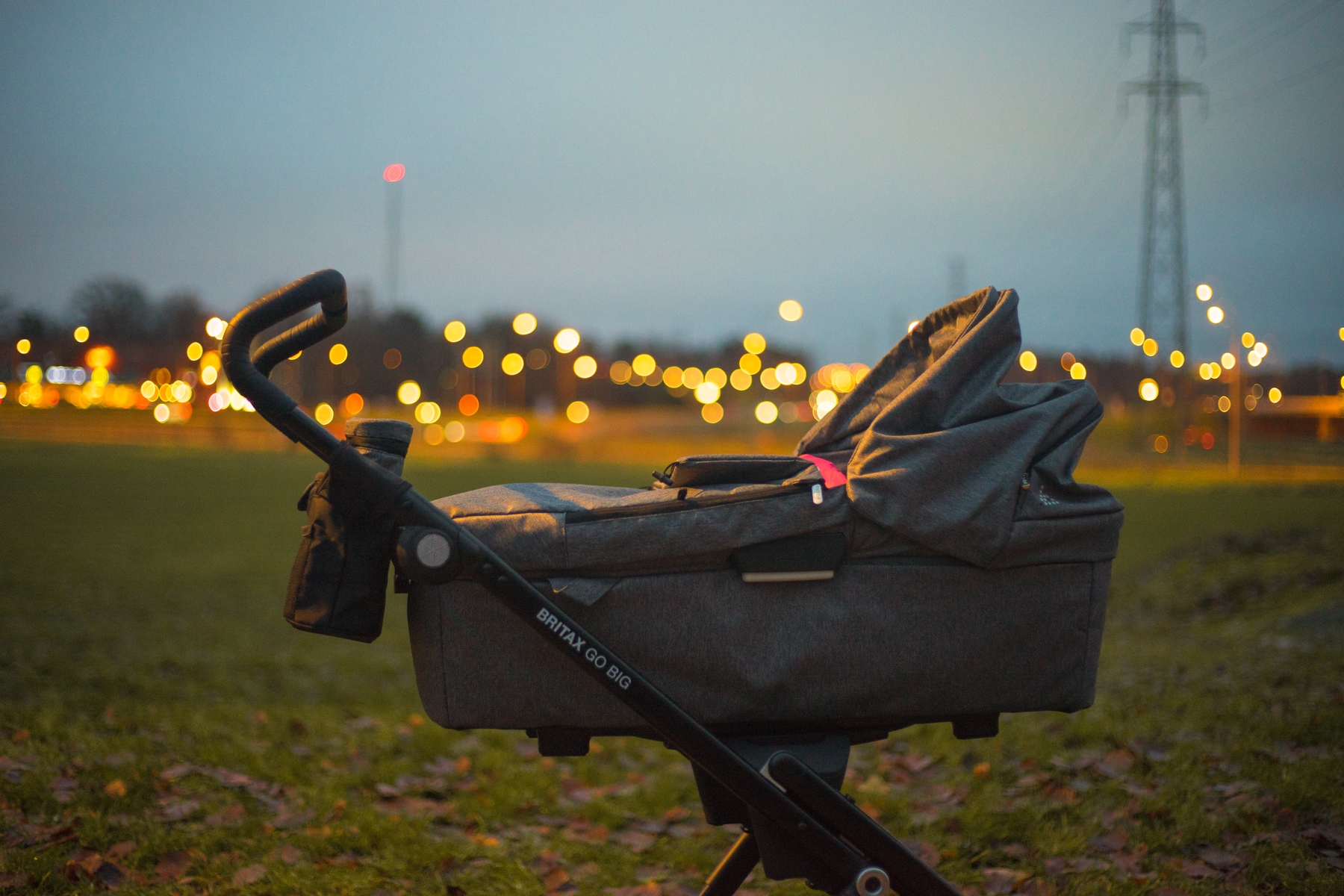
You can either check in your stroller along with your other bags, or you can check it in just before boarding the plane, since you will likely be using the stroller for your child till then. Alternatively, you may choose to carry on board the stroller as long as it meets the airline’s cabin bag dimensions, folded and packed entirely into a suitable carrier bag. Note that this stroller will be counted towards your cabin baggage allowance.
6. How much breast milk and water can I bring onboard?
If you’re flying on Singapore Airlines and departing from Singapore, you can carry as much breast milk, infant food and other baby necessities as long as the combined weight does not exceed 6kg. This is over and above your own 7kg cabin baggage allowance. Check your airline’s website on these restrictions as they may differ.
Tip: Bring extra food and milk just in case there are delays — bring at least two more meals.
Bonus tip: To prevent holding up customs inspection, store the milk in 100ml milk bottles and bags.
7. Where should I change my baby’s diapers on the aeroplane?
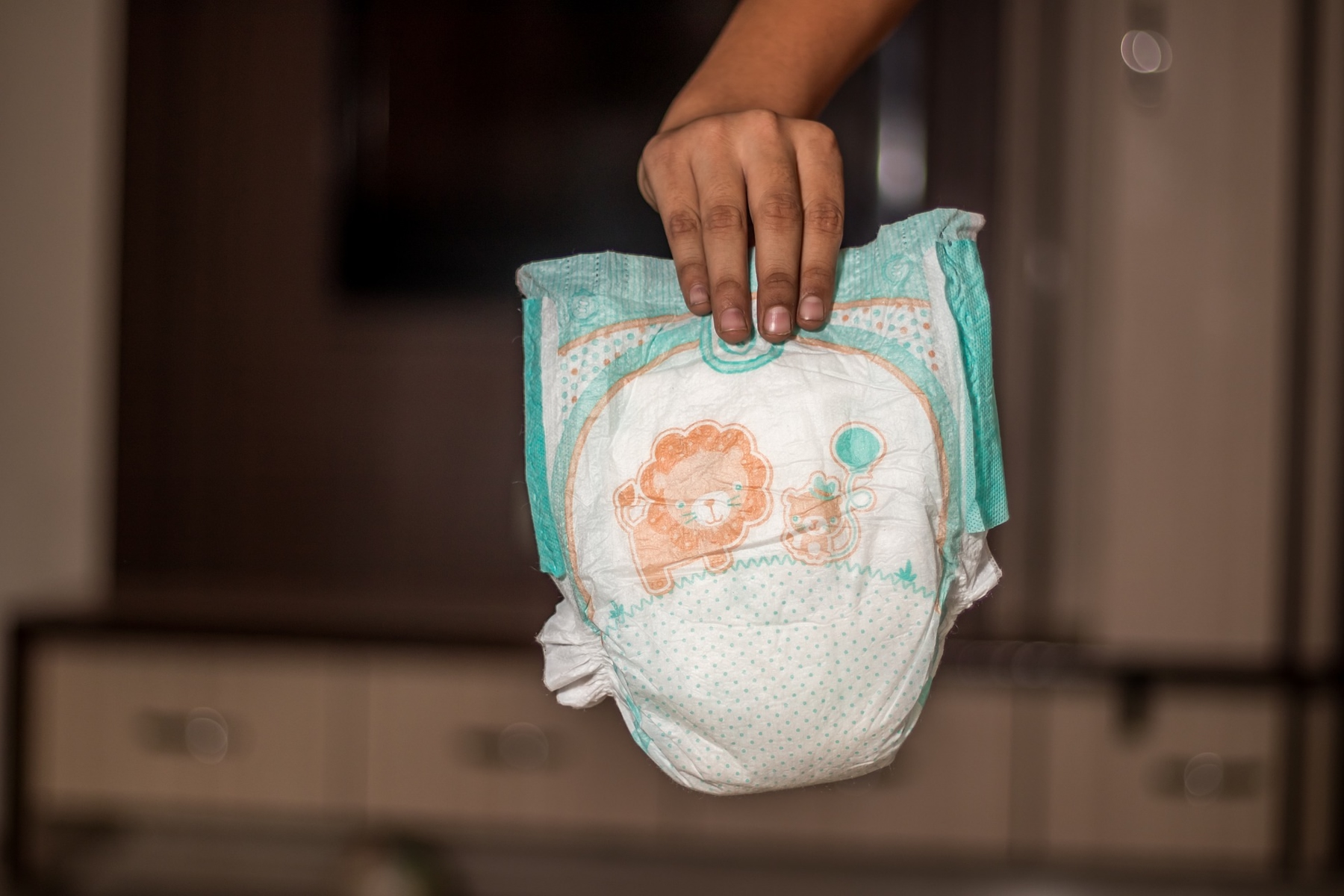
In the bathroom, there is usually a diaper changing table above the toilet. Alternatively, you may lay the top of the toilet seat with a disposable diaper pad and change your baby’s diapers there. Never change your baby’s diapers on the aeroplane seat’s table, as it may not be sturdy enough to hold your baby’s weight. Also, you’re going to get quite nasty stares from passengers around you. Not to mention, these tables are probably one of the most germ-infested areas in an aeroplane.
8. Should I bring an infant seat/car seat onboard?
You won’t want to be carrying your baby in your arms the entire flight, as your arms are likely to get numb. If they are used to resting or sleeping in car seats back home, bring your car seat along if it’s approved by the airlines you’re travelling with. Your baby can then sit in the car seat attached to the aeroplane seat, as opposed to your arm/lap the whole time. Both you and your baby will be travelling more comfortably this way. Note that booster seats, vests and harness-type child restraint devices are usually not permitted onboard.
9. When should I feed my baby?
Do you know why most parents are advised to time their baby’s feed to coincide with takeoff and landing? Babies’ ears are more sensitive to pressure changes, which is why you probably hear screaming babies while the plane is descending. Timing your baby’s feed during takeoff and landing will help alleviate this, as well as calm them down. If the timing doesn’t work, offer a pacifier for a similar effect.
Read more: How I survived travelling to Sri Lanka with a toddler (and had the best time of my life)
Tips for flying with a baby
1. Schedule the flight around your child’s sleeping pattern
Choose your flight timing carefully, such that you can feed your baby during takeoff, and then lull them to sleep for most of the flight. Stick to the usual sleep routines as much as possible — change your baby into pyjamas, do your usual stories or songs, and let your baby sleep with their regular blankets and toys. That brings us to our next tip.
2. Pack your child’s favourite sleep toys and/or blanket
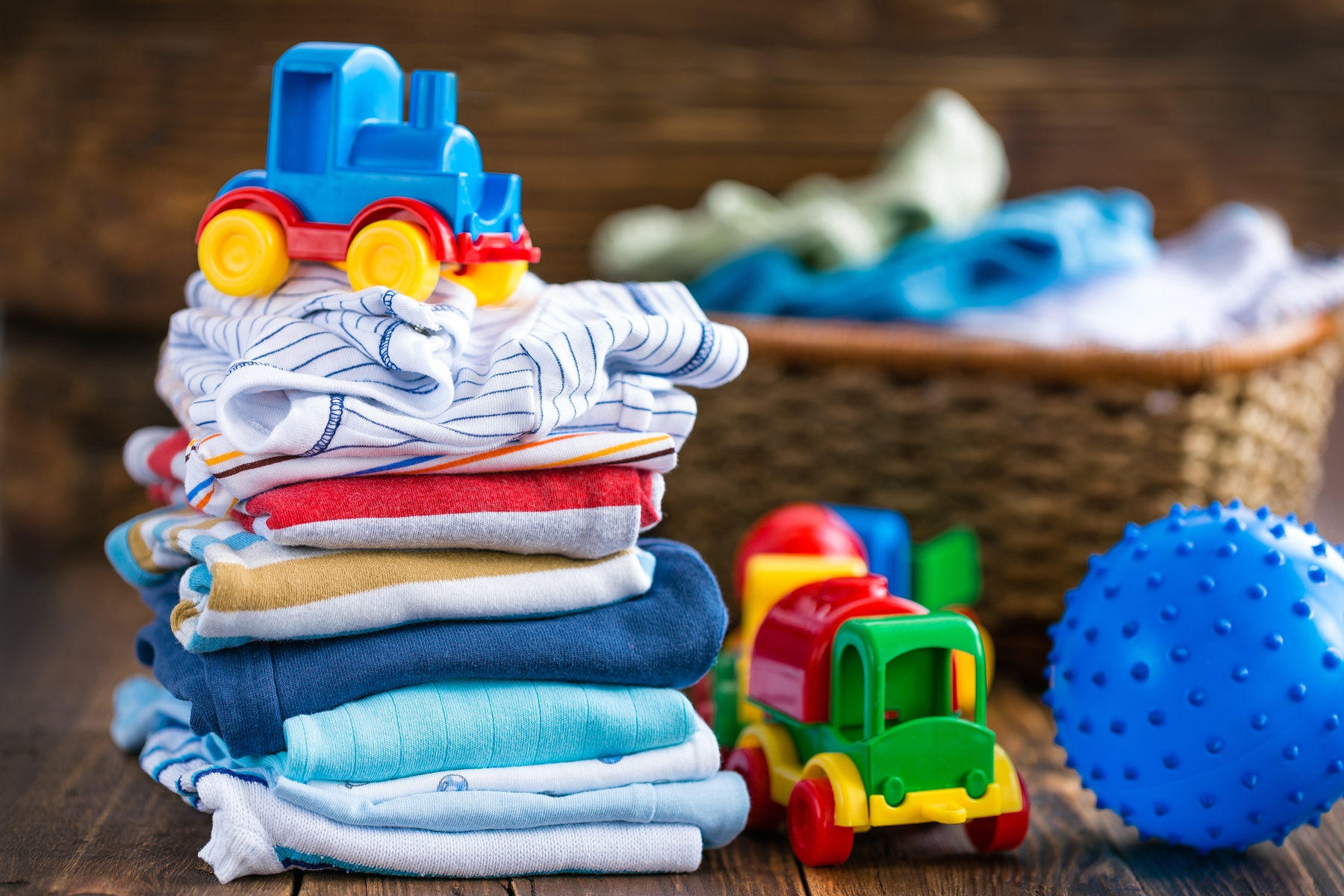
Bring your baby’s favourite soft toy so that they can hold it to sleep. Lay their usual blanket in the aeroplane bassinet or over the seats for them to sleep with. The familiar sight and scent will help comfort them to dreamland.
3. Bring extra clothes and diapers
Most parents who take their first flight with a baby do pack extra baby clothes and diapers. However, only the seasoned parents remember to bring extra sets of clothes for themselves. Why? Well, you don’t want to be sitting on the flight with baby puke on your clothes for hours. It’s expected that babies will spill food at meals, puke after turbulence, or have a leaky diaper. Not sure how many spare sets of clothes to bring? If you’re going to embark on a long-haul flight to places like the US, Canada, and Europe, bring three extra sets of clothes for your baby, and two extra shirts for yourself. Three sets of clothes should cover the two meals onboard, and one extra set “just in case”.
4. Change diapers before boarding
There’s probably no best time to change your baby’s diapers, but changing just before boarding is a good idea to reduce the need for changing diapers in the aeroplane lavatory’s tiny space.
Note that it’s always more crucial to change a soiled diaper than a wet diaper, in case you need help determining whether to change diapers for the tenth time on the flight. Sometimes, there are unavoidable delays in diaper change while travelling, so apply a generous amount of barrier cream to prevent rashes.
5. Bring lots of entertainment when travelling with toddlers
What will toddlers do when they’re not sleeping on the flight? They need quiet activities (for the sake of other passengers) to occupy themselves during this time, so bring what they usually like to do — colouring books, storybooks, sticker books, puzzles, beading/sorting toys. You can also ask the airline’s cabin crew to see if they provide suitable activity kits.
6. Don’t depend on airline baby food
Most airlines provide baby food, but these may be limited in supply and not to your baby’s liking. Bring your own baby food and snacks, especially the ones that are most familiar for your baby. Just like the importance of packing your baby’s favourite sleep toy, having familiar snacks will relax and ease the foreign situation as much as possible.
7. Wipe down everything your baby may come in contact with
Aeroplanes are quite the paradise for germs. Not just for babies, but for anyone who has to breathe in the recycled air and bear with uncleaned seats, tables, and floors. Sometimes, the short turnaround time the aeroplane has simply doesn’t allow for thorough cleaning. Bring and use liberally: HFMD spray, antibacterial wipes, and hand sanitizer. Use them religiously on the aeroplane bassinet, tables, and armrests before your baby touches any of these.
8. Socks are more comfortable than shoes
It does get cold on the flight, so apart from bringing a blanket for your baby, remember to cover their feet to keep them warm. You’ll want to cover their feet with socks rather than shoes, as socks are soft and more comfortable to wear onboard.
9. Don’t count on sleeping much on a flight with a baby
Flying with a baby is not a time when you can just zone out with your headphones, watch endless inflight entertainment, and fall asleep whenever you want. Even if your baby sleeps for most of the flight, be mentally prepared that you will either be holding them or taking them in and out of the bassinet during turbulence, so don’t expect to sleep much during the flight.
10. Avoid travelling with a 1-2-year-old, if you can
Or at least avoid travelling long-haul with a 1-2-year-old. Flying with your newborn baby between 14 days to one year old will be more of a breeze than when they get slightly older. Many parents find the 1-2 year old age range the worst time to bring them on board a flight. But if you have to, read on.
If the inevitable happens and your baby puts on quite a show of screaming and wailing, and you can feel all other passengers’ eyes on you…

…don’t make any eye contact with anyone and just carry on!