“Entire ecosystems are collapsing.” “Did you have to worry of these things when you were my age?” Greta Thunberg’s warning about climate change in 2019 was echoed by Severn Cullis-Suzuki’s question to the adults in 1992. They both silenced the world with their urgent pleas for action. Yet, after 27 years, our earth is still at risk with increasing temperatures, sea levels, carbon emissions and extinction rates.
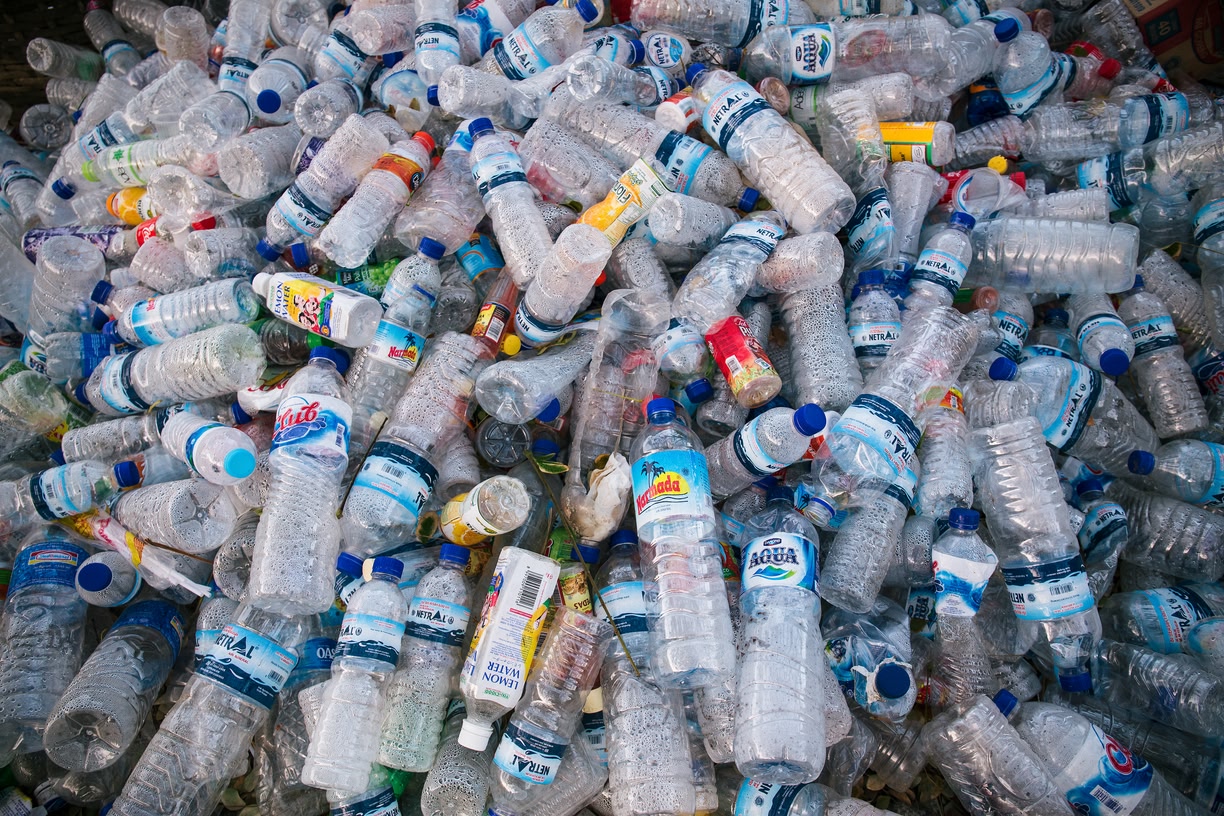
The proliferation of the most ubiquitous product of the world, plastic – single-use plastic, in particular, is contributing to climate change. Do you know that the plastic industry is releasing a catastrophic amount of greenhouse gases? According to Earth Policy Institute, we use over 2 million plastic bags per minute and each plastic bag can take up to 500 years to decompose. Birds and marine animals are choking from plastic pollution. We have a plastic crisis and just refusing to use plastic straws is not enough.
As a travel writer, I often feel conflicted as I encourage readers to travel but travelling adds to our carbon footprint. Each traveller generates a lot of plastic waste from hotel amenities to food packaging. While it is tempting to resort to using single-use plastic during a holiday, it is also easy to reduce plastic if you start making sustainable travel choices. Here are some simple ways you can reduce plastic when you embark on your next trip. Let’s support each other to be eco-friendly travellers and be kind to the world that allows us to travel in the first place!
1. Travel with a refillable water bottle
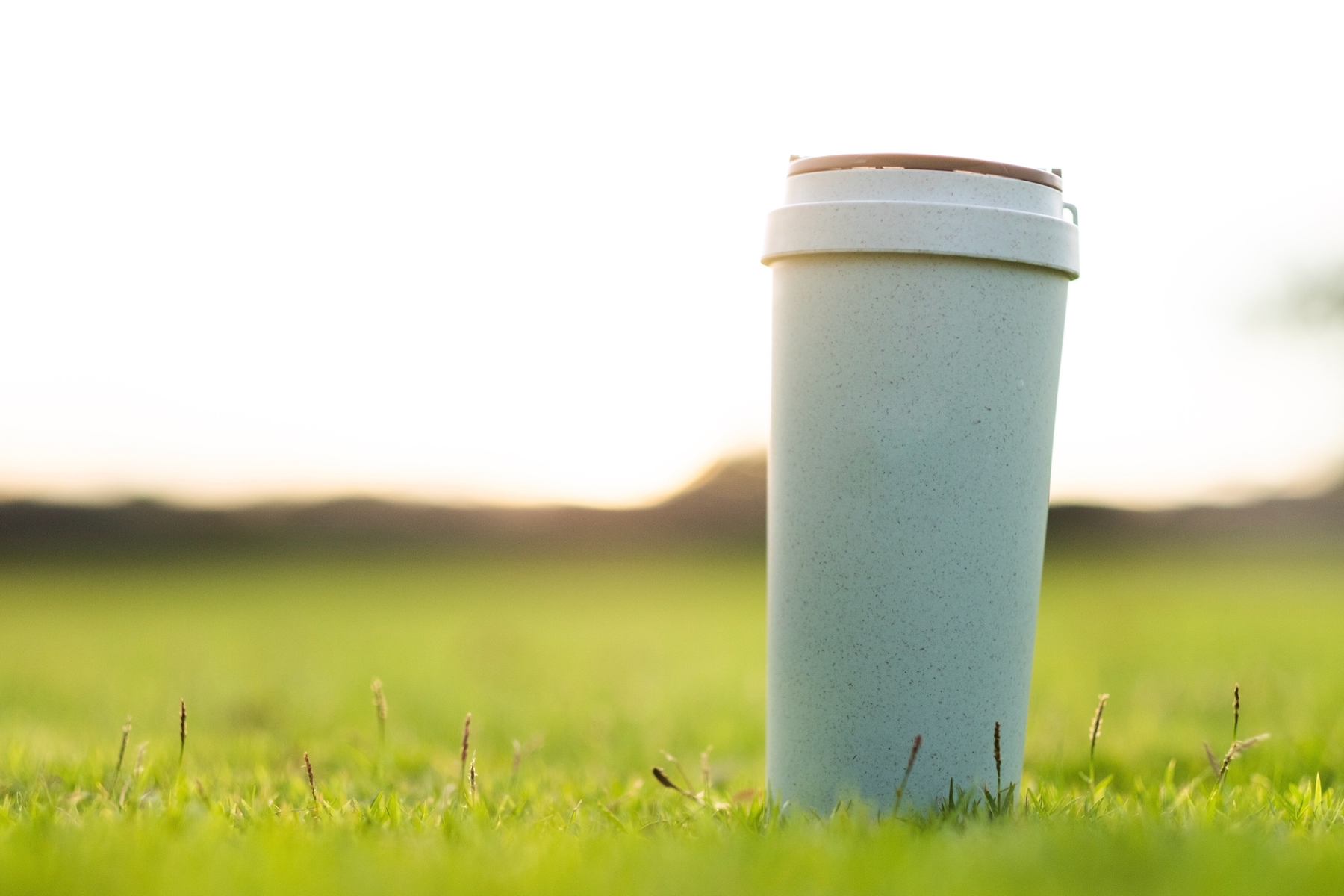
Avoid purchasing bottled water during your holiday by travelling with a water bottle that you refill. You do not need an expensive fancy bottle but just a simple bottle with an outlet wide enough for you to pour water in without spillage and store water without leakage. If you are travelling to a cold place, an insulated bottle will keep you warm with hot beverages. Water dispensers are found in most airports and you can always refill your bottle in a food outlet during your meal times. If you are travelling to Japan, download MyMizu app which provides a map of places where you can get free water refills. Stay hydrated, save money and help the earth all at the same time!
2. Pack some reusable bags
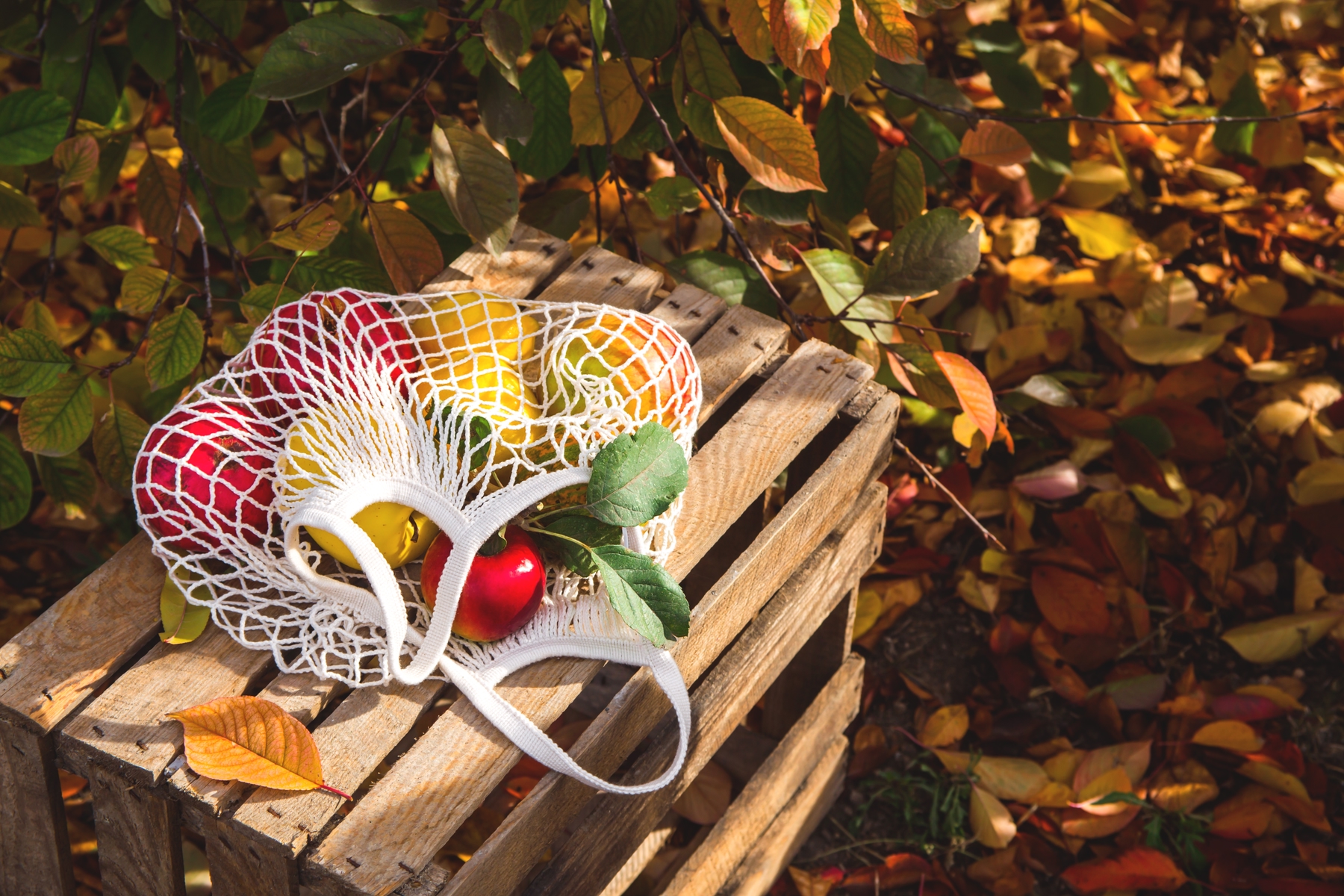
Many plastic bags end up polluting the environment as plastic waste. When you travel, you will inevitably purchase things from food to souvenirs that come with plastic bags. It is a good habit to have reusable bags whenever you are out so you can use them instead of plastic bags. A reusable bag is very handy whether you are in a mall, grocery shop or exploring a local market. Do not rush out and buy a nice reusable bag but try to search through your house for any bags that you can use for your next trip, especially the common tote bags usually given at free events.
3. Use reusable bottles for toiletries
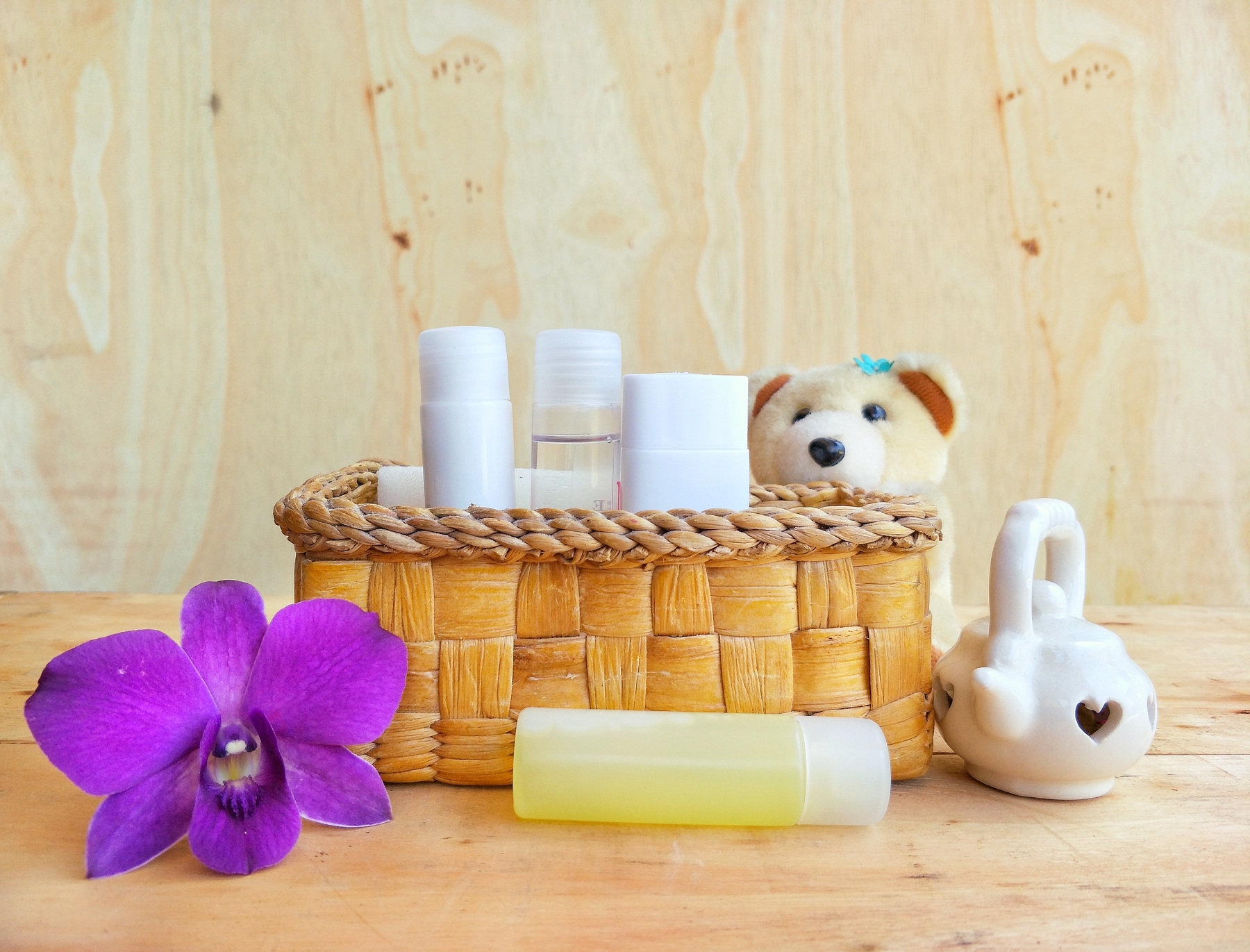
Many hotels provide adorable travel-sized plastic toiletries which are convenient for travellers to use but not so convenient for the planet that is drowning with non-biodegradable plastics. Some hotels like Marriott International chain hotels are trying to be eco-friendly by replacing single-use plastic bottles with pump-topped bottles while Intercontinental Hotel Group is switching to bulk-size amenities instead. However, not all accommodation have eco-friendly practices so you can use reusable bottles for toiletries to minimise waste. Other plastic-saving ideas include using soap bars instead of shower gel and sharing toiletries with your travel mates.
4. Bring reusable utensils

Trying different cuisine is an essential part of the travel experience and delicious food sometimes come with plastic cutlery and packaging. Be environmentally conscious while eating by bringing your own reusable utensils and not relying on disposable ones. Invest in a cheap set of cutlery or even a spork (a combined spoon and fork) that you can carry around easily in your travel day pack. If you are a fan of food or night markets like me, it may be challenging to avoid using plastics when you buy street food. To minimise wastage of plastics when munching on the go, you can bring a reusable Tupperware container or even bio-degradable Beeswax food wraps, which is a good alternative to food wrappers and cling firm, and can be reused easily after wash.
Read more: 10 Eco-friendly travel products you should own by now
5. Minimise takeout

That takeaway box for fish and chips may be in your hands for 15 minutes but it could end up in the ocean forever. Whenever you have takeout, you contribute much waste for that one meal. It may not be possible, considering budget and time constraints, to always have sit-down meals during your holiday. However, if you can afford it, try to minimise takeaways and eat at the food venue to avoid packaging waste. Sitting down for a meal provides the opportunity to slow down during your trip, immerse in the local eating culture and just relax. If you really need to have a takeaway, try to make full use of your reusable containers or get creative!
6. Support eco-friendly establishments

Travel is a huge business and travellers form a small part of the eco-system that consists of airlines, hotels, tour companies, restaurants and more. We, as travellers, may play a small role in reducing plastics but our travel decisions from selecting modes of transportation to deciding which hotel or tour company have a great impact. To start, whenever possible, travel with airlines that are working with eco-friendly options. Etihad Airways and Hi Fly are plastic-free and Air New Zealand, Ryanair, Alaska and Delta Airlines are using bio-degradable cutlery made from bamboo or plant-based products and even offering discounts to passengers who bring their own utensils. For tours, spend some time looking for eco-friendly operators who work responsibly and understand why they may charge more sometimes. For travel products, try to avoid buying new things if you can reuse or recycle items and support companies that produce sustainable products.
7. Choose eco-friendly souvenirs

It can be difficult to resist picking up souvenirs during a holiday. Before deciding to buy something, you can think carefully if you really need that item. Do you need another fridge magnet that you do not have space for? Do you need another scarf when you have many tucked at the back of your wardrobe? Do you need that handmade bag when your handbag is still in good condition? Of course, some vacation mementos are rather priceless and you can get some for yourself and your friends. Some tips to shop for eco-friendly souvenirs include avoiding fast fashion and mass-produced goods and supporting local businesses and traditional crafts. Buy only if necessary and if the purchase helps someone and doesn’t add to the mountains of waste created by consumerism.
8. Clean up everywhere you go
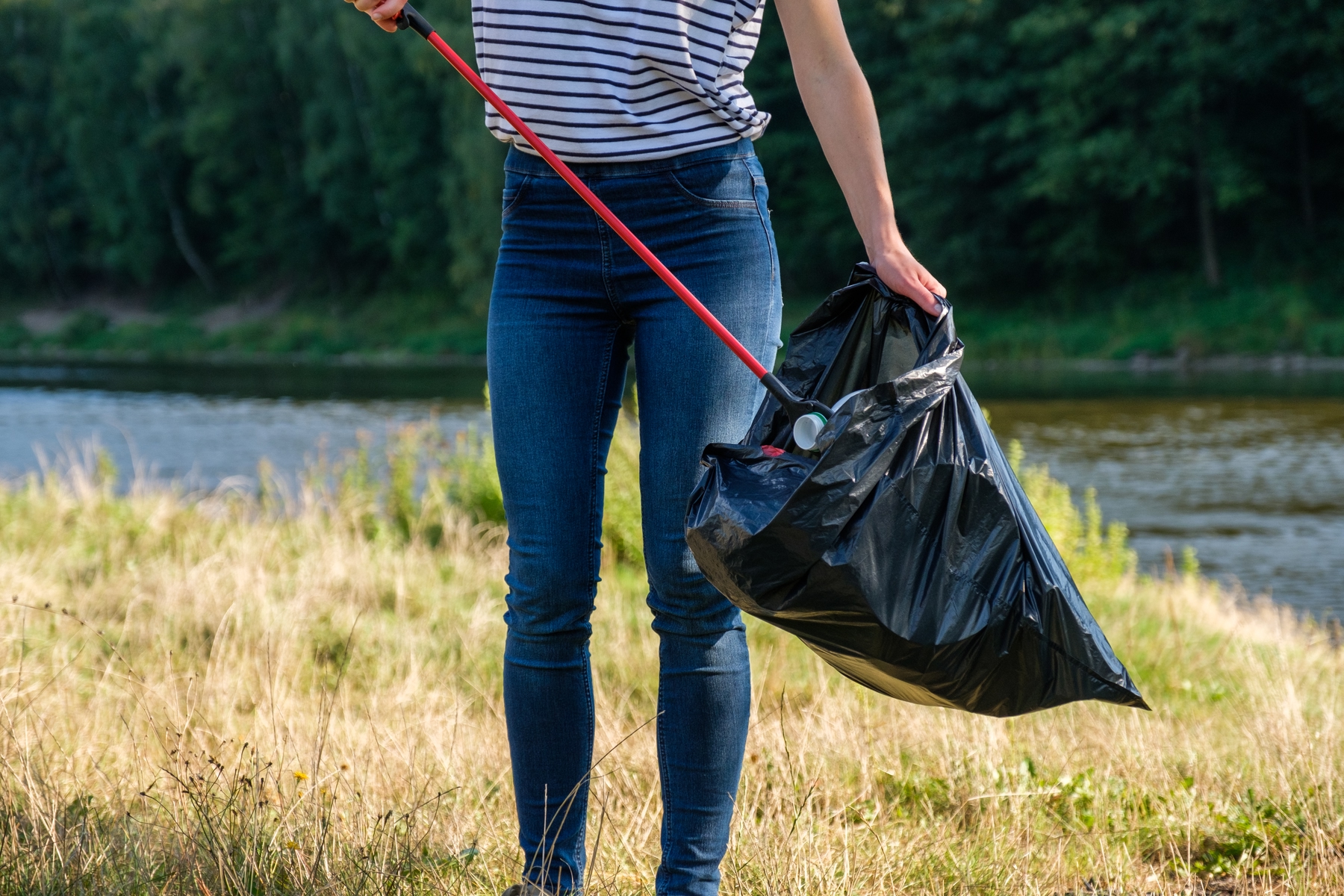
One of the easiest ways to reduce plastic when you travel is to remove waste from the destinations that you visit. While on a beach holiday, you can pick up litter from the shore when you spot any. While on a trekking expedition, you should carry your trash and leave campsites litter-free. If recycling bins are available, you can sort out the trash and recycle as much as you can. If all travellers take responsibility to clean up after themselves and others, can you imagine how clean many sightseeing places would be?
“Travel makes one modest, you see what a tiny place you occupy in the world.” As expressed aptly by French novelist, Gustave Flaubert, travelling is an eye-opening experience as we are exposed to sights, cultures and knowledge that make us modest and appreciate what we do not have. I believe that we should strive to be modest travellers and do our best to reduce waste and any negative impact during our sojourn as we are ultimately sharing the modest resources of the planet with our future generations.


