Croatia holidays
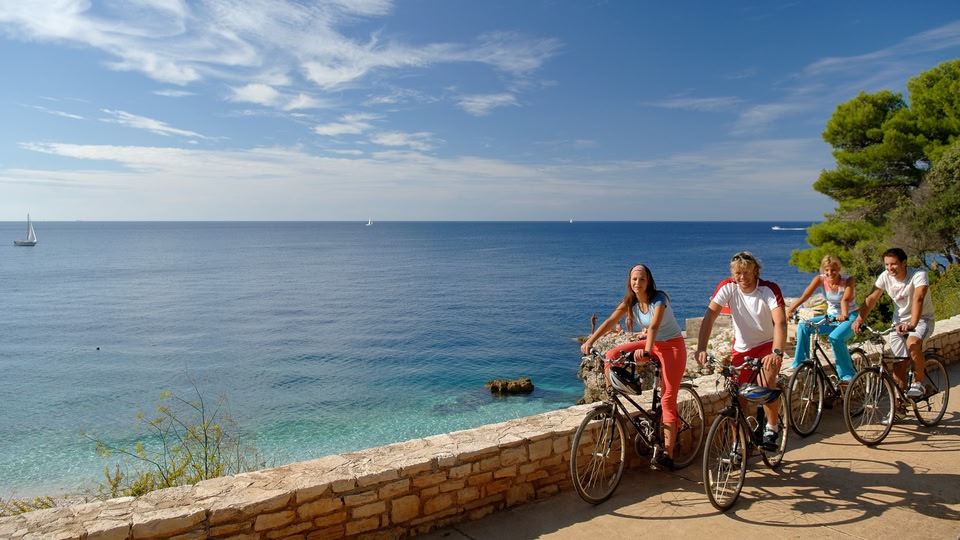
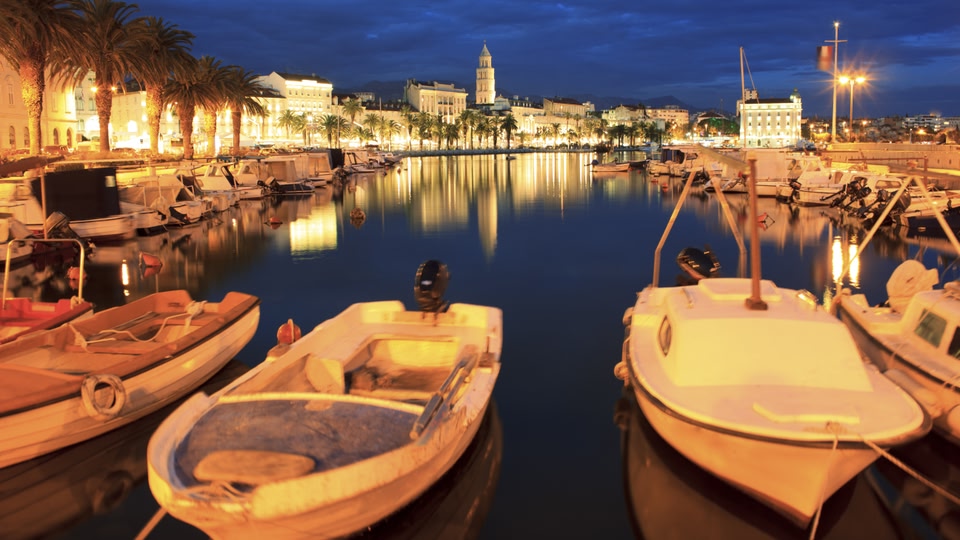
With nearly 1,800 kilometres of dramatic Adriatic coastline and some of the clearest water in the world, it’s no wonder Croatia is the most visited country in the Balkans. No holiday to Croatia is complete without a visit to the medieval walled city of Dubrovnik, Diocletian’s Palace in Split or the capital city of Zagreb. Come for the natural beauty and historic towns — stay for the vibrant nightlife and summer beach scenes.
Top destinations in Croatia
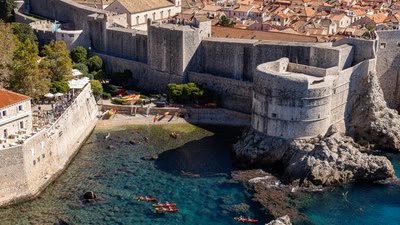
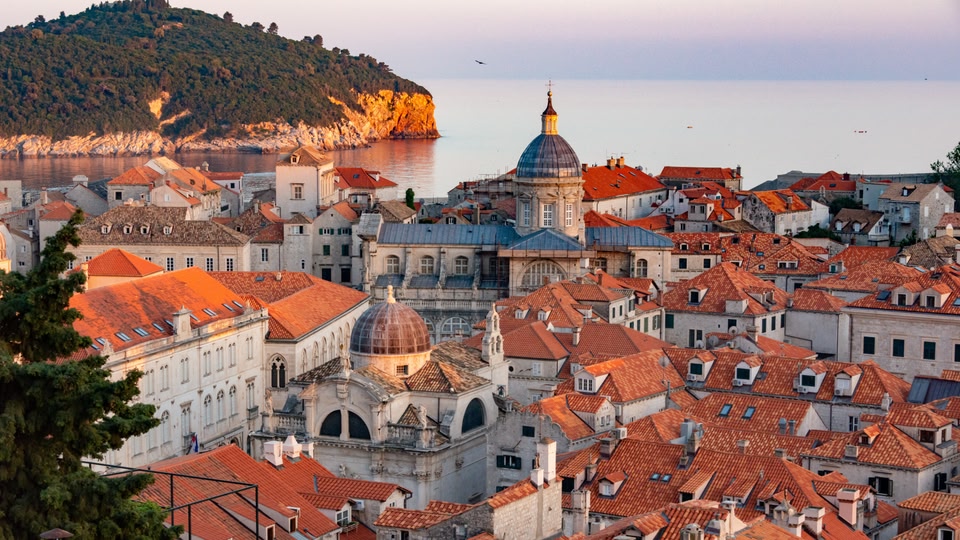
Dubrovnik
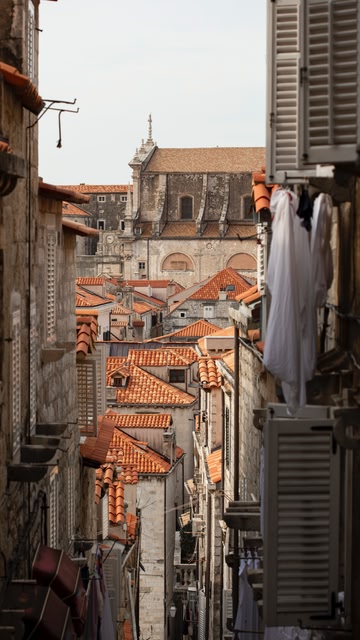
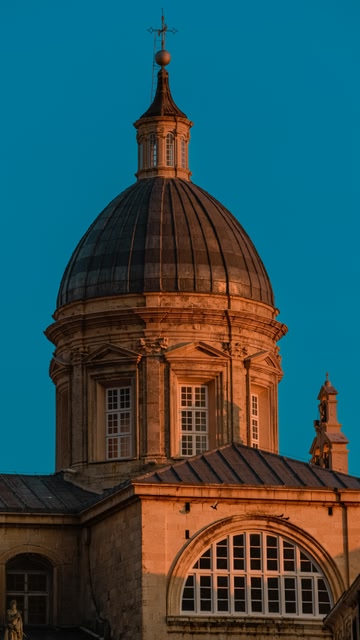
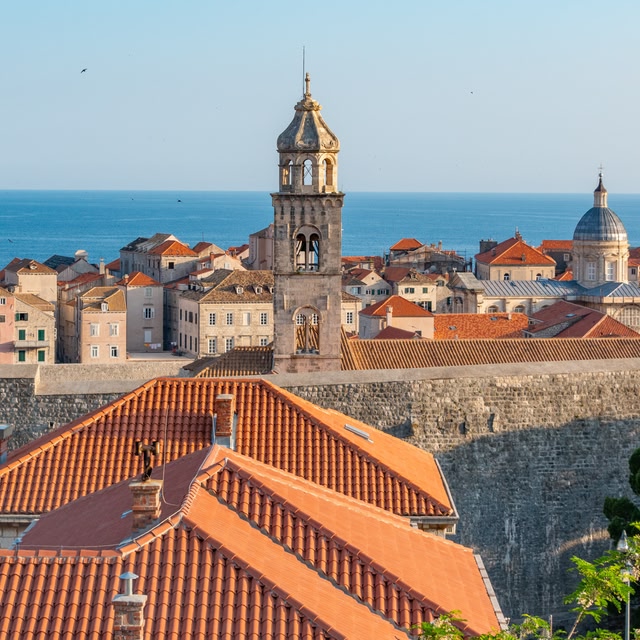
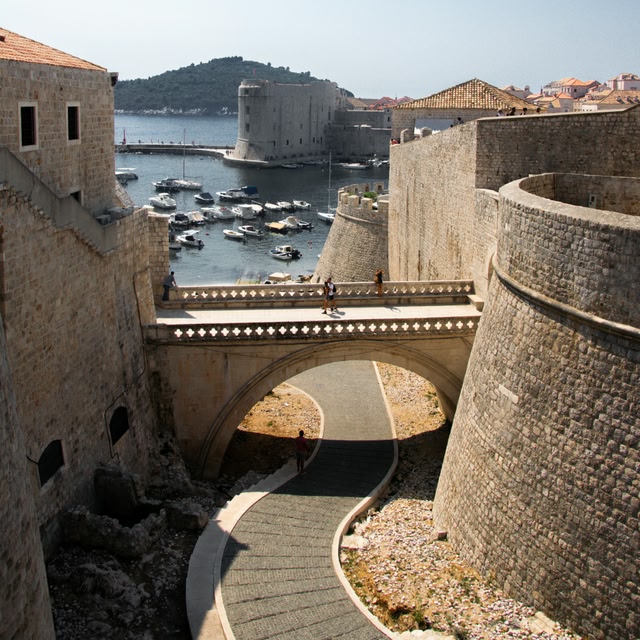
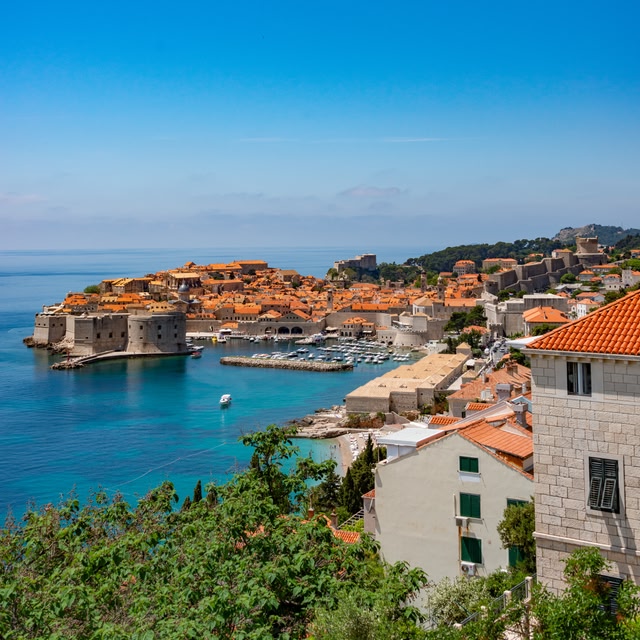
History, adventure and relaxation await in the fascinating city of Dubrovnik. Come explore ancient ruins, discover stunning architecture and swim in the calm, turquoise waters of the Adriatic Sea.
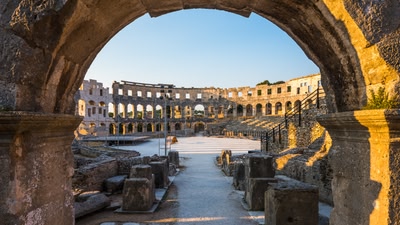
Pula
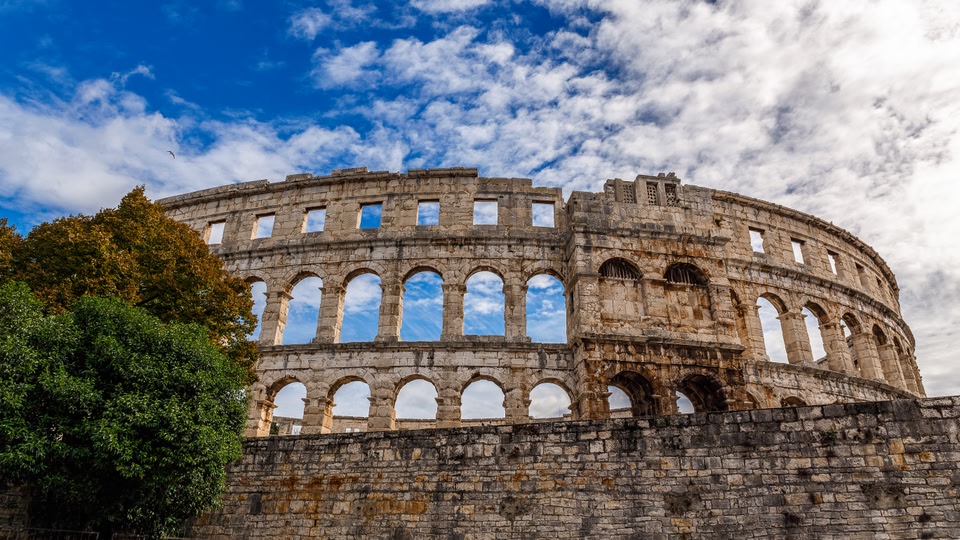
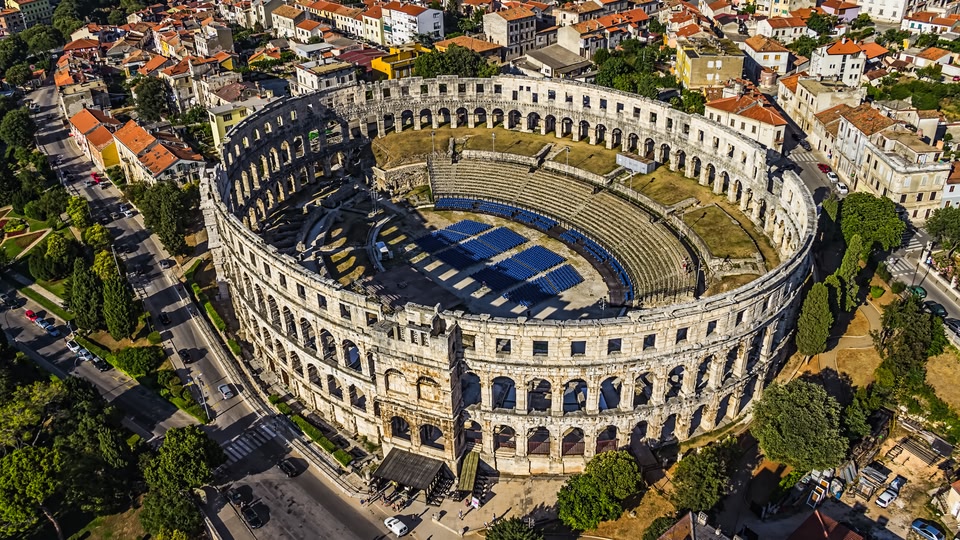
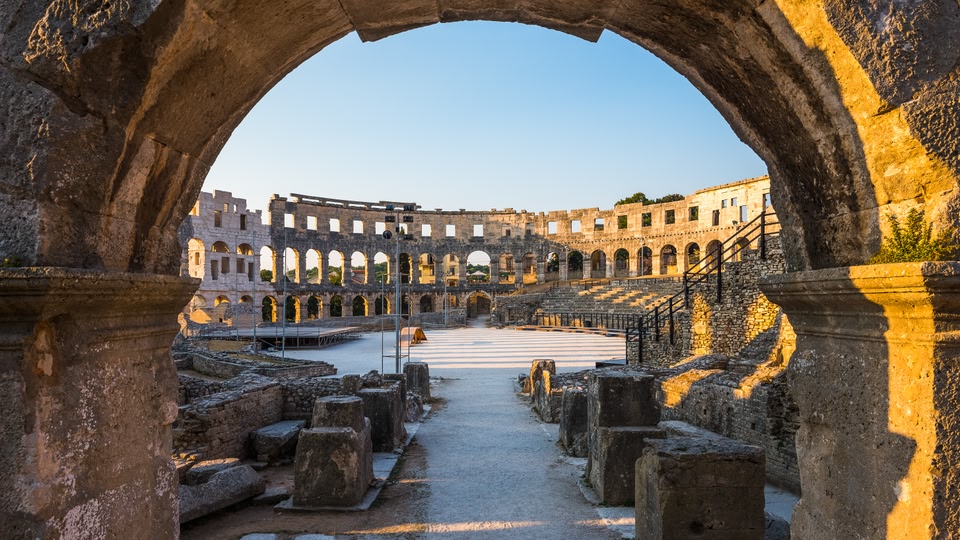
Take a break in cosmopolitan Pula, a working port city with Roman ruins, just-off-the-boat seafood and easy access to the sparkling Istrian coastline.
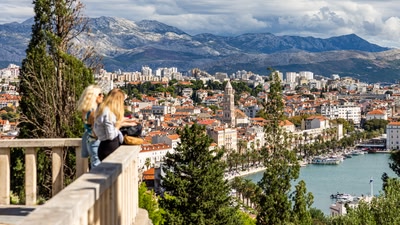
Split
Pack your bags and prepare to explore Croatia’s dazzling gem on the Adriatic Sea, where ancient history, natural beauty and modern Mediterranean culture converge.
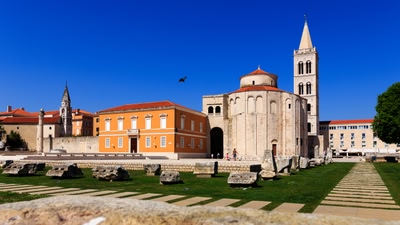
Zadar
Whether you’re a history buff, beach bum or party-loving night owl, you’re guaranteed to have a good time in Croatia’s new capital of cool.
Croatia: fast facts
Language
Croatian
Currency
Euro (€)
Time zone
UTC+1 (CET) and UTC+2 (CEST)
Croatia holiday highlights
Game of Thrones
If you watched HBO’s ‘Game of Thrones’, you’ll recognise dozens of locations in Croatia. The medieval fortifications and narrow streets of Dubrovnik made it a perfect stand-in for King’s Landing, the fictional capital of Westeros. Trsteno Arboretum made a cameo as the palace gardens, and the series’ mysterious House of the Undying was actually the 14th-century Minčeta Tower.
Carnival crowds
For 40 years, the town of Rijeka has held a Carnival celebration to rival Rio de Janeiro’s. For ten days before Lent, colourful flags, banners and balloons fly over the town. And costumed revellers parade through the streets alongside huge floats, wearing elaborate masks and ringing bells. It’s a wild time, attracting more than 100,000 spectators.
Wine country
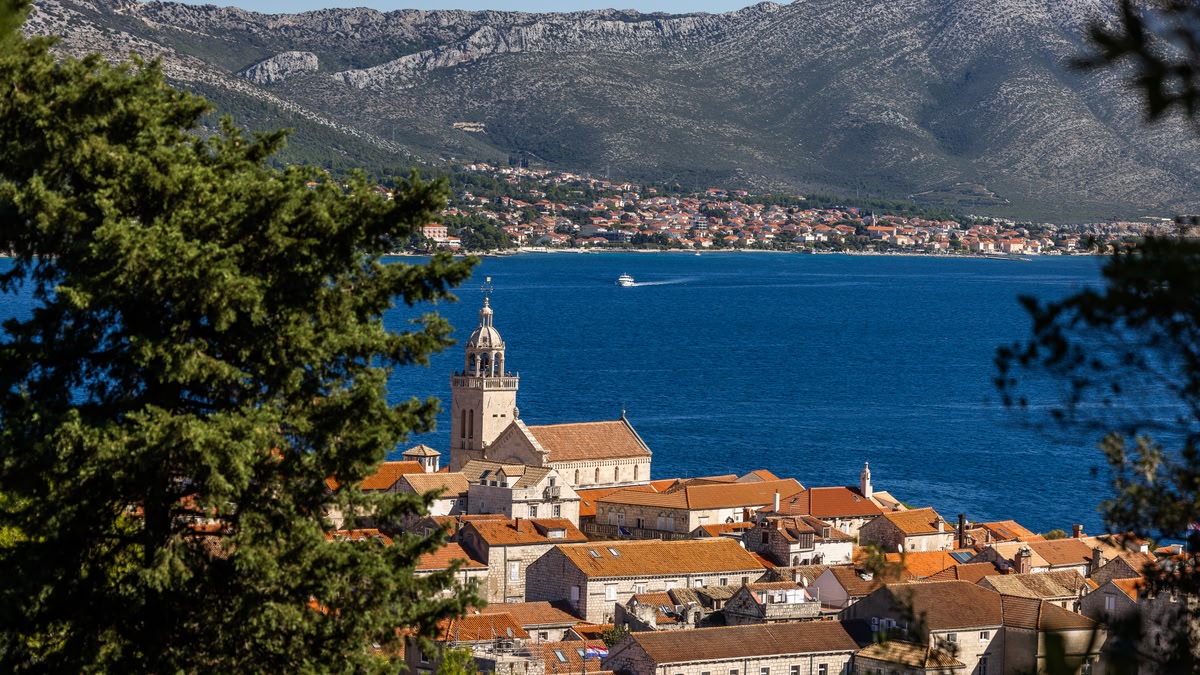
Wine tasting is one of the best things to do in Croatia. Explore everything from delicate white wines made in a former monastery in Slavonia to the red Plavac Mali grapes that grow on the island of Korčula. In places like Dingač, on the Pelješac peninsula, the vines are planted on slopes so steep that the people who pick them have to be suspended by ropes.



Things to do in Croatia
Top attractions
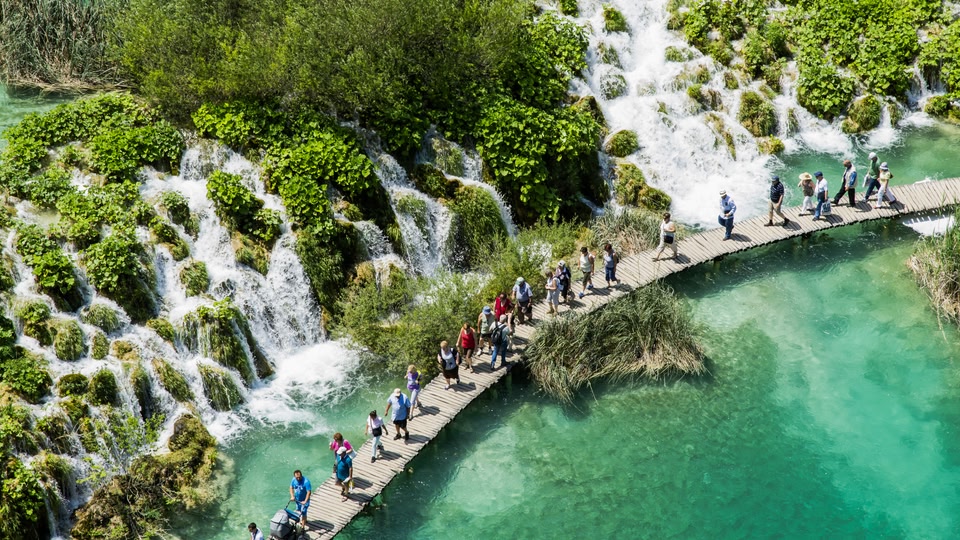
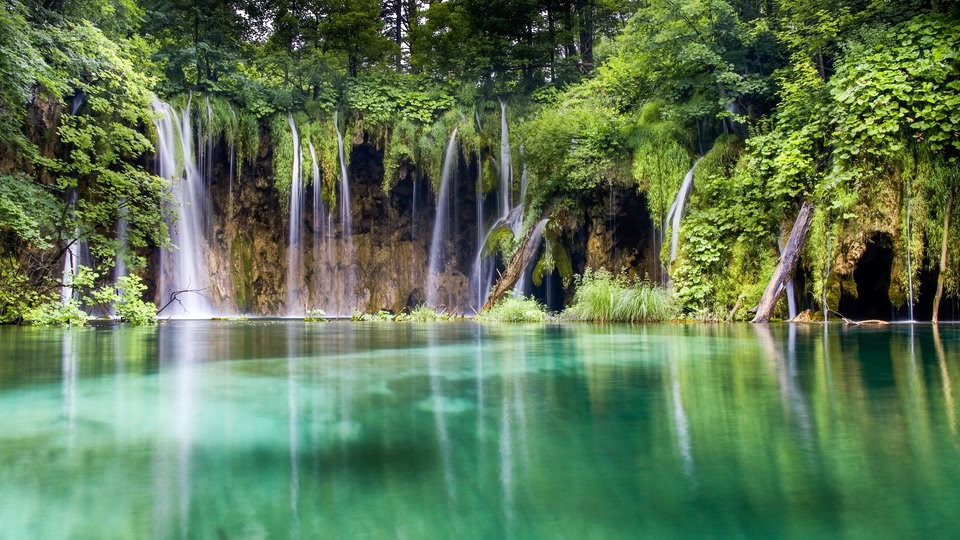
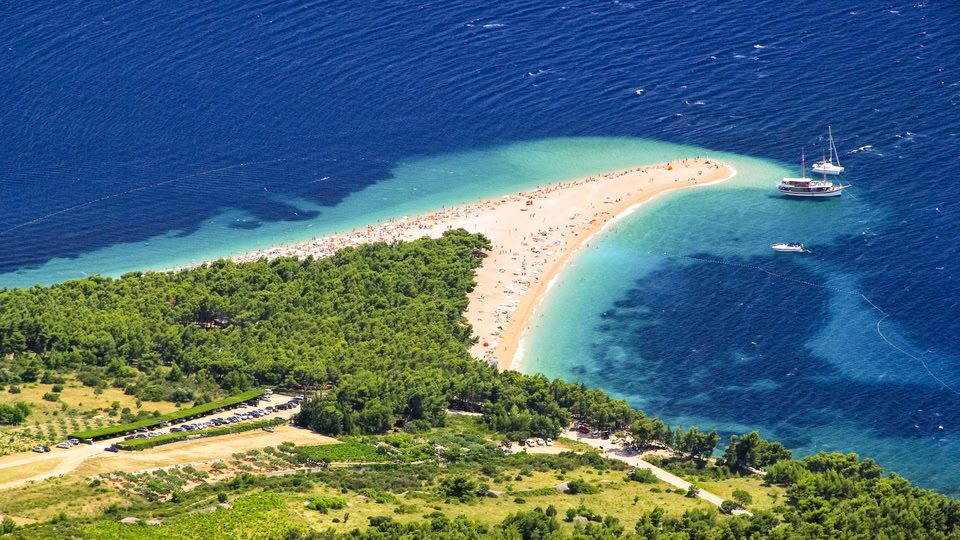
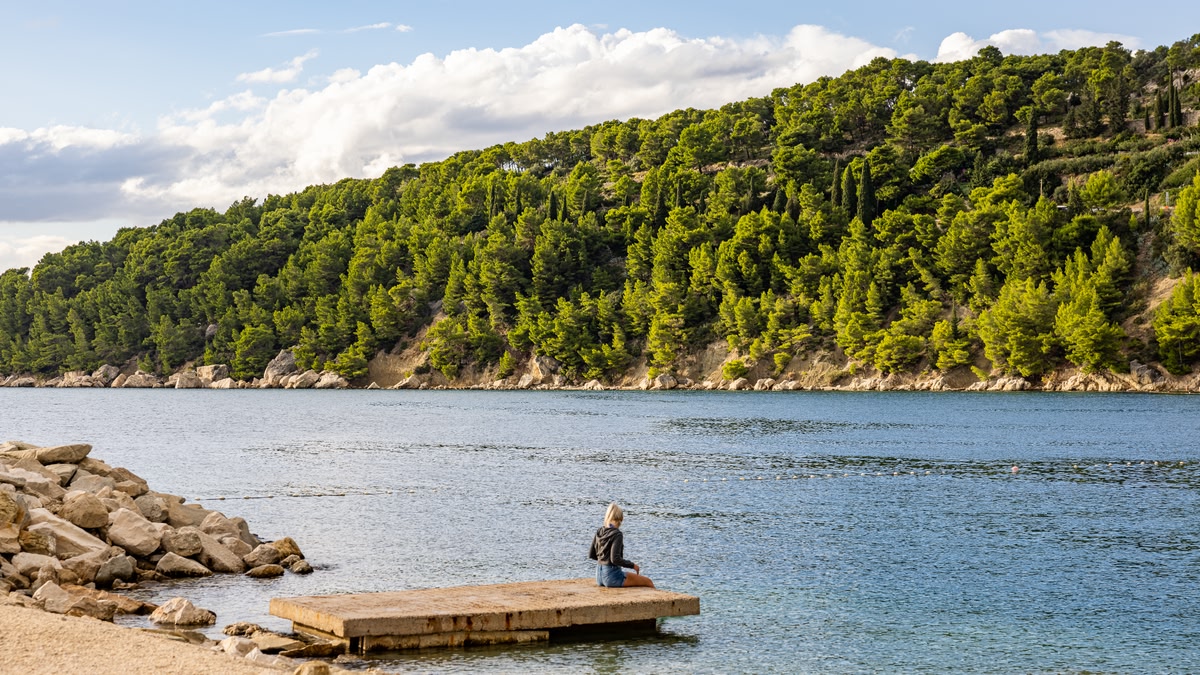
The marble ruins of Diocletian’s Palace form the historic core of Split, with shops, bars and restaurants crowding its ancient streets. In Bol, the golden horn of Zlatni Rat beach extends 400 metres into the turquoise waters of the Adriatic. Hike or take a boat tour around the dramatic waterfalls and forested hills of Plitvice Lakes National Park.
Beaches
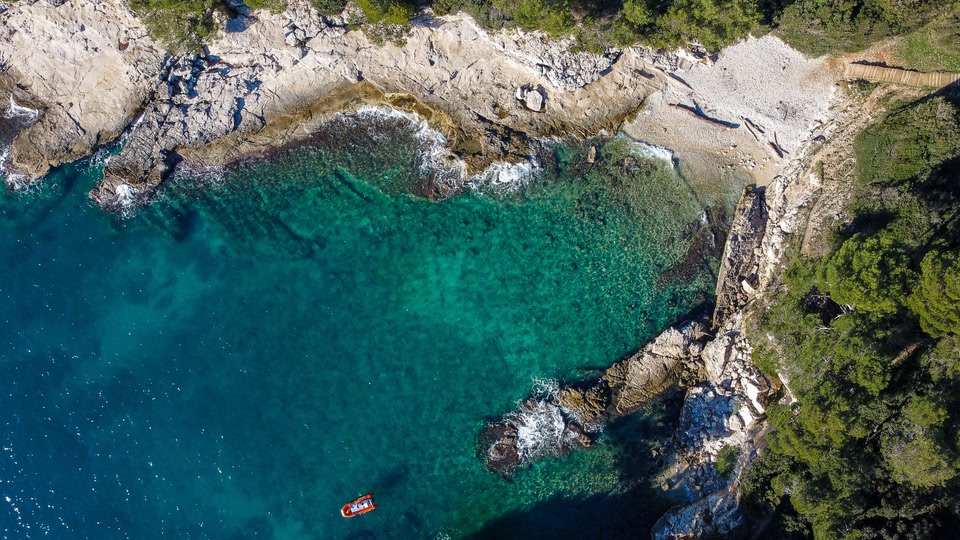
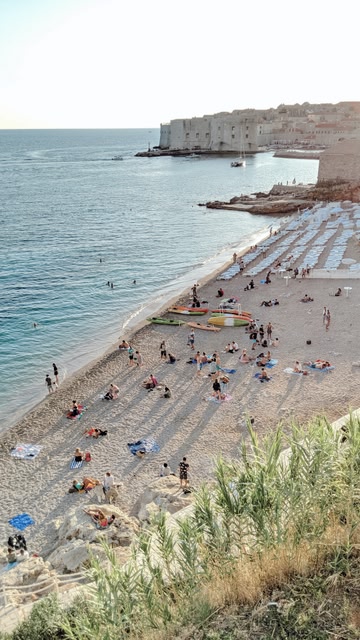
Not only does the mainland have hundreds of kilometres of coastline, but the country also boasts more than 1,000 mostly uninhabited islands. So you’ll never run out of beaches in Croatia to explore. The vibe ranges from the party scene at Zrće Beach on Pag (also known as the ‘Ibiza of Croatia’) to the secluded beauty of Pasjača Beach, near Dubrovnik.
Nature
In Lika-Senj County, you’ll find the UNESCO-listed Plitvice Lakes National Park. Croatia’s largest national park features a series of 16 cascading lakes whose crystal-blue waters form spectacular waterfalls. On the southern tip of Istria, the winds are just right for kitesurfing. And the Kopački Rit nature park is a huge wetland occupied by wild boar, otters and 300 varieties of nesting birds.
Culture and museums
The museums in Croatia range from the ancient to the innovative. The Archaeological Museum in Split transports you from prehistory to the Middle Ages. Rijeka’s Museum of Modern and Contemporary Art’s cutting-edge works are also worth admiring. For something unique, check out the Museum of Broken Relationships in Zagreb. Visitors from all over the world have contributed objects and stories to the collection.
Cuisine
Eating in Croatia is a delicious adventure that varies by region. In Slavonia, order the fish soup and the ‘kulen’, a dry, spicy sausage. In Neretva, it’s all about frogs’ legs and eels. Hunted by trained hounds, the white truffles from Istria can sell for as much as €3,000 per kilo, making them the most expensive item served at restaurants in Croatia.
Family friendly
Explore the battlements of Barone Fortress in Šibenik, where exhibits help history come to life. Uncover the secrets of Morosini-Grimani Castle in Svetvinčenat with an escape room–style game that leads visitors through the towers, dungeons and throne room. The open-air Staro Selo Museum in Kumrovec offers demonstrations of traditional blacksmithing and pottery.
Find the best time to visit Croatia
Weather in Croatia
March – May: Spring is usually mild and pleasant. The mountainous Dinaric Alps region can be cooler, with occasional snow into April.
June – August: Summer along the coast is hot and dry, but the interior can be rainy. Sea breezes keep the nights pleasant. With water temperatures in the mid-20s°C, it’s the best time to visit Croatia if you want to swim or relax on the beach.
September – November: Autumn rain and cold wind can start as early as September, but the sea stays warm through October.
December – February: Zagreb and other interior regions see plenty of snow and temperatures around freezing. Along the coast, expect chilly rain and strong, cold winds.
Events in Croatia
Festival of Lights (March): Welcome the return of spring at this free outdoor arts festival in Zagreb. Creative light installations transform parks and buildings across the city.
Sinjska Alka (August): Watch knights on horses compete at these games of skill and chivalry, held annually in Sinj since the 18th century.
Nights of Diocletian (August): Led by the Emperor Diocletian, toga wearers parade through the streets of Split in this re-enactment of ancient Roman revelry.
Advent Zagreb (November to January): Zagreb is transformed into a winter wonderland at this Christmas market. Squares are decorated with twinkling lights, the smell of traditional treats fills the air and market stalls around the city sell handmade gifts.
Know before you go
Getting around Croatia
Public transportation
Buses: Bus services like FlixBus and Čazmatrans operate throughout Croatia and are an excellent, affordable option for exploring the country without a car. Some routes require crossing the border with Bosnia and Herzegovina, so make sure to travel with your passport. Book tickets in advance during busy months.
Trains: Routes on Croatian Railways (HŽPP) are often slower than buses. The rail network is more extensive in the interior of the country.
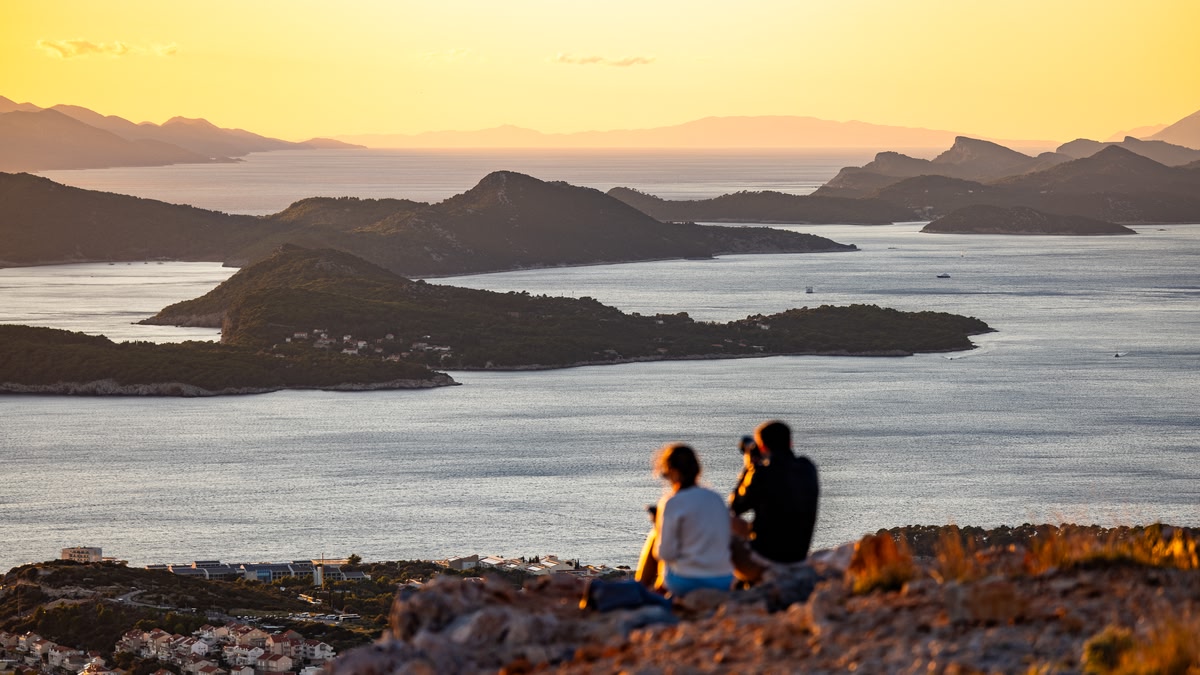
Boats: Linking many coastal cities and islands, ferries are one of the most scenic ways of travelling in Croatia. In addition to car ferries, some routes also offer a passenger-only catamaran service. If you’re travelling with a car, arrive early, as boarding is usually first come, first served. Jadrolinija, Kapetan Luka and TP Line are major operators.
Domestic flights
Flying is the quickest way to get between Zagreb and the coast, and also between Pula in the north and Dubrovnik in the far south. Croatia Airlines is the national domestic carrier.
Driving
Driving can be a great way to explore the scenic Croatian countryside. Almost all highways are toll roads. From November to March, driving with headlights is required, even during the day.