Your guide to Panama
Top destinations in Panama

Panama City
At the meeting point of North and South America lies Panama City. Famous for its iconic canal, you’ll also find fascinating Indigenous museums and first-rate Latin cuisine.

David
A jumping-off point for exploring black sandy beaches and coffee plantations, this laid-back town is an introduction to the lesser-known side of Panama.
Panama: fast facts
| Language | Spanish |
|---|---|
| Currency | Panamanian balboa (B/.), United States dollar ($) |
| Time zone | UTC-5 (EST) |
Panama highlights
See the canal
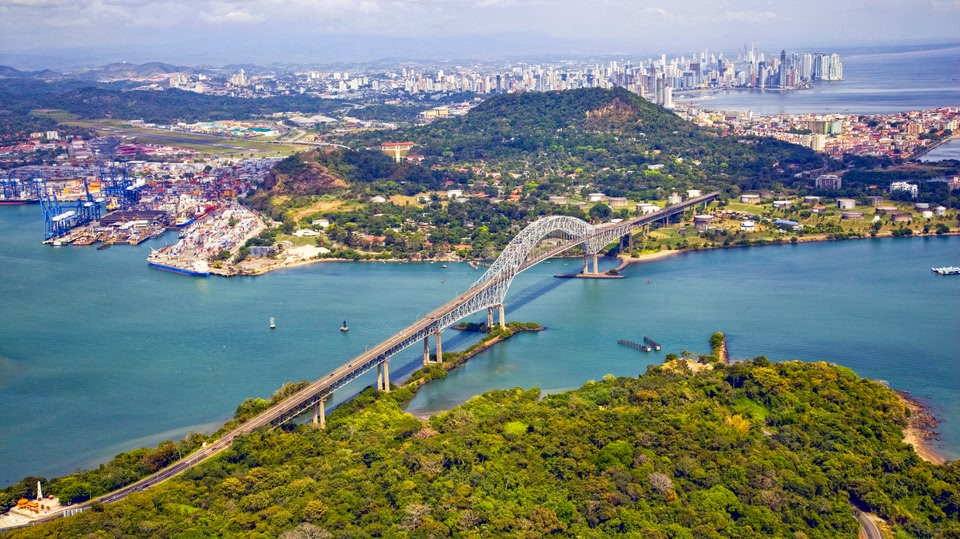
Marvelling at the Panama Canal, one of the world’s engineering wonders, is one of the top things to do in Panama. Watch massive container ships inch through the maritime shortcut just outside Panama City. The best viewing spots are from the Miraflores Visitor Center or at the Agua Clara Locks Visitor Center, where you can get a panoramic perspective.
Spot wildlife
Panama is a spectacular place to see animals in their natural habitat. Witness humpback whales migrating off the country’s Pacific coast. Dive with massive (and gentle) whale sharks. Tour Gatun Lake to visit Monkey Island, home to howler monkeys, toucans and iguanas. And birdwatchers should keep their eyes peeled for colourful fowl like the elusive quetzal.
Catch a wave
Panama is a surfers’ paradise, with bucket-list breaks on both coasts. On the Caribbean side, head to Bocas del Toro for the famous big wave, Silverbacks, as well as less intimidating waters. On the Pacific side, laid-back Santa Catalina is also a surf hub. Never set foot on a board? There are plenty of places to rent gear and take beginner lessons.
Things to do in Panama
Top attractions
A trip to the incredible Panama Canal is practically required. Learn about its science and history at an interactive museum in the Miraflores Visitor Center. Spot sea stars and coral gardens at the Bastimentos National Marine Park on Bocas del Toro island. A hike to the top of Volcán Barú will reward you with views of both the Pacific and Atlantic oceans on a clear day.
Beaches
This ribbon of land sandwiched between the Pacific Ocean and the Caribbean Sea offers plenty of world-class beaches. Stick to the Caribbean side for powdery sand and crystal-clear waters. You’ll find both in steady supply in the Guna Yala and Bocas del Toro archipelagos. Head to the Pacific side for adventures like whale watching and reef diving.
Nature
Panama’s diverse landscape takes centre stage in its extensive national park system. Parque Nacional Coiba is a prime diving spot and UNESCO World Heritage Site. Hike past volcanic craters and summit the country’s highest peak at the Parque Nacional Volcán Barú. And explore unspoilt rainforests in Parque Nacional Darién. Parks often require permits or even guides, so plan ahead.
Culture and museums
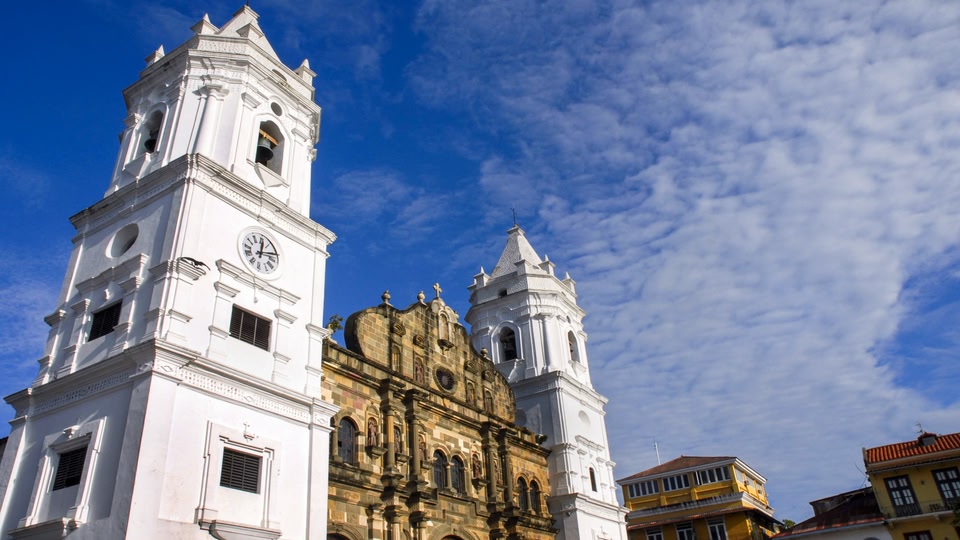
The most exciting museums in Panama are in its capital city. The Frank Gehry–designed Biomuseo explores Panama’s natural wonders through large-scale installations, an aquarium and gardens. Visit the Museo de la Mola to learn about the elaborate textiles crafted by the Indigenous Guna people. And dive deep into the city’s history at Panamá Viejo, the ruins of a 16th-century Spanish settlement.
Cuisine
The more traditional restaurants in Panama serve dishes like ‘sancocho’, a hearty chicken and vegetable stew, and ‘hojaldra’, a fried flatbread. Fresh seafood is also central to the Panamanian diet. And you won’t find it fresher than in the ceviche at Panama City’s sprawling fish market, Mercado de Marisco. Coffee lovers shouldn’t miss the plantations in mountainous Boquete.
Family friendly
Take the family for a stroll through Parque Natural Metropolitano, Panama City’s vast urban rainforest filled with monkeys, iguanas and other colourful wildlife. From July to October, humpback whales migrate along the coast. Chiriquí is the best region for tours, with calm spots that are perfect for kid-friendly snorkelling.
Find the best time to visit Panama
Weather in Panama
Maig – novembre: l’estació de pluges de Panamà porta xàfecs diaris, sobretot a l’octubre i el novembre. És una època ideal per descobrir museus i llocs d’interès cultural a la ciutat de Panamà. Els surfistes poden agafar les millors onades durant aquests mesos, i els viatgers amb pressupost ajustat gaudiran de preus més baixos. Malgrat la pluja, és una època gratificant i assequible per visitar-lo.
Desembre – abril: l’estació seca porta un temps càlid i majoritàriament assolellat, amb algun xàfec ocasional. És la millor època per visitar Panamà si vols fer senderisme, gaudir de dies de platja i viure aventures a l’aire lliure. Espera’t més gentada i preus més alts, sobretot al desembre, quan els viatgers de temporada arriben en massa des de climes més freds. Planifica-t’ho amb antelació si vas de visita durant aquest període tan concorregut.
Events in Panama
Panama Jazz Festival (January): This long-running festival brings together a roster of local musicians and global jazz elites for a multi-day schedule of concerts, jam sessions and music clinics. The event closes with a free open-air concert.
Feria de Boquete Panama (January): Possibly the best-smelling event in Panama, this fragrant festival celebrates flowers and coffee in the mountain town of Boquete. Settle in for elaborate floral displays, coffee tastings and evening dance parties.
Carnival (February or March): Parades and street parties take over the country during Carnival season. The southern city of Las Tablas hosts one of the biggest events in Panama, featuring enormous floats, costumed processions, light shows and fireworks.
Know before you go
Local etiquette
Panamanians tend to dress neatly in public, so reserve your beachwear for the beach. Greetings are warm, often with a handshake or a kiss on the cheek between friends. Try not to point at people with your fingers, but rather use your whole hand instead. Smoking and vaping in public is illegal and will land you a fine.
Health and safety
Use insect repellent when exploring the outdoors — mosquitoes in Panama can carry Zika, dengue and malaria. During the wet season, flash floods are possible, so avoid remote areas when heavy rain is expected. Earthquakes are also a risk, especially in the west. It’s a good idea to review basic safety guidelines just in case.
LGBTQ+ travel
Panama has yet to legalise same-sex marriage or pass anti-discrimination laws protecting LGBTQ+ people. But attitudes are slowly shifting, especially in urban areas like Panama City, which hosts a lively annual Pride celebration. While public displays of affection may draw attention, most travellers find the local vibe relatively tolerant, particularly in more cosmopolitan neighbourhoods.
Budget
An affordable stay in Panama is possible if you can resist the high-end resorts and restaurants. An inexpensive meal will cost about ten Panamanian balboas (B/.). You can get a domestic beer for about B/.2 and a cappuccino for around twice that.
Getting around Panama
Public transport
Buses: Buses are a budget-friendly way to get around Panama. In Panama City, Metrobuses offer modern, air-conditioned service, while long-distance coaches connect to other parts of the country. In rural areas, expect more rustic options, such as converted school buses and pickup trucks. It’s common to flag them down and to call out for a stop when needed.
Trains: The scenic Panama Central Railway connects Panama City via Balboa and Colon, offering a unique way to see the countryside and canal.
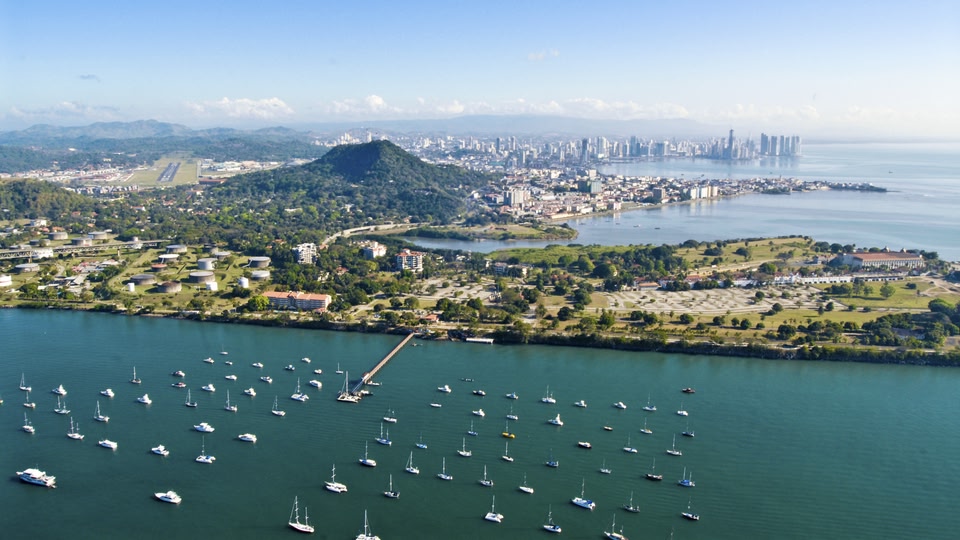
Boats: Ferries from Panama City connect to popular destinations like Isla Taboga and Bocas del Toro. In many coastal communities, it’s common to take water taxis or dugout canoes from place to place.
Domestic flights
Affordable Air Panama flights link Panama City to various destinations throughout the country. But for most short trips, buses are a more convenient and cost-effective option.
Driving
Hiring a car gives you a relaxed way to see pockets of the country that aren’t served by buses. But be prepared — not all roads are paved. If you’re visiting during the rainy season, it’s best to opt for a 4x4.