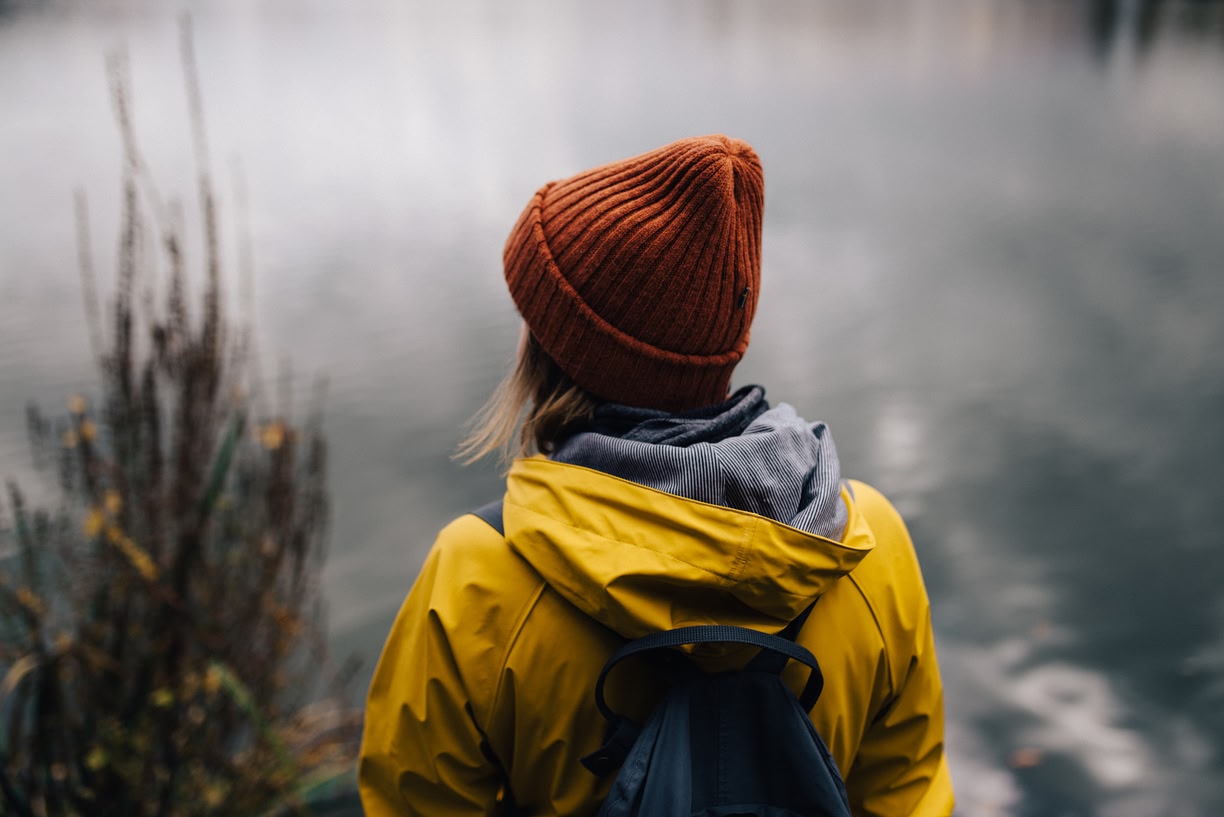
Dreaming of frolicking in the snow on your next winter holiday? The problem with living in the perpetual summer heat and humidity of Singapore means that we’re not always quite sure what to do when we encounter freezing temperatures and cold weather overseas. Therefore, we’ve prepped this basic guide to a winter holiday that you can use to figure out what to wear for winter. In case you don’t know where to go, we’ll also be sharing our recommended winter holiday destinations.
Recommended winter holiday destinations

For those who want to experience a proper white Christmas, head to Europe to partake in the many traditional Christmas markets that happen in the first three weeks of December. Some of the more iconic markets can be found in cities like Berlin (Germany), Prague (Czech Republic), Vienna (Austria), Budapest (Hungary) and Strasbourg (France).

Winter festivals tend to take place in January or February and are another fun way to appreciate the cold weather. Plan your winter holiday around some of the most popular events like the Venice Carnival (Italy), Minnesota’s St Paul Winter Carnival (USA) or the Reykjavik Winter Lights Festival (Iceland). Closer to home, the Sapporo Snow Festival in Hokkaido (Japan), Hwacheon Sancheoneo Ice Festival (South Korea) and Harbin Ice and Snow Sculpture Festival (China) usually showcase some impressive ice sculptures and other fun winter installations.
Winter isn’t just a year-end affair – if you can only take a break in the middle of the year but still want a winter holiday, head to Australia or New Zealand in the southern hemisphere where their winters run from June to September.
Also read: Top 10 year-end holiday destinations
Figuring out winter weather
You know how in Singapore where the temperature is generally a constant 28-34ºC throughout the year, some days just feel absolutely sweltering? Factors like sunshine, humidity and wind speed have a significant effect on what the temperature feels like compared to what it actually is, and the same logic applies to cold weather.
Besides looking just at the temperature reading, consider these other factors as well when planning what to wear for the day:
- Cloud cover: clear sunny days will feel warmer compared to overcast days
- Wind speed: the higher the speed, the stronger the wind and the colder it’ll be
- Humidity: lower humidity means drier air and tends to feel colder than it actually is
Tips on what to wear for winter

Dressing for winter isn’t just about piling on as many thick layers as you can – remember that you’ll probably be going in and out of buildings, so while you need to be able to withstand the cold temperatures, you also don’t want to be stuck sweating it out when you head indoors for a meal. Besides, nothing is worse than smelly winter wear.
The trick is to layer, layer, layer so you can easily take off or put on clothing as you need. You typically should have:
- A thin but warm base layer that allows you to be comfortable in indoor heated areas. Because this is the closest layer to your skin, it’s worth investing more to have a base layer with comfortable and breathable material that wicks away sweat but still keeps you relatively warm.
- A good warm outer layer that protects you from the worst elements. This is your one good winter coat and on the surface, it should be windproof to protect from cold chills, and at least water-resistant if not water-proof to shield from icy rain and snow. A hood is ideal to give your head some extra cover, and deep side pockets help keep your hands out of the cold. Down and fleece linings should keep you nice and toasty.
- The mid layers or everything else in between your base and outer layer really depends on how cold it is. These mid-layers should offer some warmth and heat-trapping – adding or removing these layers is what helps you regulate your temperature properly when going about your day in winter.
Winter wear also comes with a whole bunch of different accessories to help you stay warm, and can make a big difference to your winter experience.
- Your head is one of the main sources of heat loss, so a good winter hat is essential for staying warm. Earmuffs are also great as your ears often get colder than you think.
- Your extremities like your fingers and toes get cold the most easily and are most prone to frostbite. Good gloves protect your hands from the chill – get those with removable or touchscreen-friendly fingertips so you can use your phone normally. Long and thick socks are needed to keep your feet warm – your normal sports socks are definitely not sufficient.
- If your face gets cold easily, a facemask is an easy way to shield your cheeks, and a long scarf both protects your neck and is something you can duck your nose into as needed.
Winter climates also tend to have drier weather which can cause lips to crack and skin to shed, so make sure to bring along ample lip balm or vaseline and moisturising body lotions to protect your skin.
Where to buy winter clothes

While most of our apparel is geared towards our balmy weather, there are many stores that do sell winter wear throughout the year, with more promotions and products in the later part of the year as people start preparing for their winter holidays.
There are specialty winter wear shops in Singapore like Cold Wear and Winter Time but their range of winter clothes can be pricey. You might not be looking to spend so much especially since your winter wear will probably be in storage for most of the year, so here are some winter clothing options in Singapore that are generally more affordable:
Uniqlo
Uniqlo is a great one-stop shop for winter wear as they offer a wide range of winter clothing at an affordable price point, and generally have a clean modern design and basic colours so one doesn’t have to worry about looking unfashionable in their bid to stay warm. Their heattech range is great for base layers as it is both thin and warm, while their puffy down jackets are surprisingly compact.
Decathlon
Decathlon carries all sorts of sports gear at affordable prices. You definitely should check out their gear if you plan to do some winter sports like skiing, snowboarding or trekking in the mountains, but their winter apparel is also suitable for general winter holidays if you’re not too picky about looking a little unfashionable.
Daiso
This Japanese value store where most items cost S$2 a piece is where you should stock up on heat packs for your winter trip. Use one and keep in your jacket pocket for extra warmth when you need it. Daiso also sells some cute heat pack holders as well. Other useful winter-wear accessories include the vacuum-sealed storage bags for packing bulky winter wear into your suitcases easily as well as leg and arm warmers.
Look out for off-season discounts throughout the year to save on winter wear. A good time to land cheap winter wear is typically the period after Christmas when shops are clearing out their winter stock to make room for the Lunar New Year apparel.
Winter packing list

Winter holidays are a good time for you to wear materials that might be too warm for everyday Singaporean weather like cashmere and wool, as well as those cute long-sleeved shirts or jumpers that you only ever wear in your perpetually cold office.
When it comes to footwear, covered shoes are best for winter, and boots definitely do a better job of keeping your feet warm than your sneakers as the temperatures drop. In snowy and icy conditions, consider removable crampons or snow grips that you can strap onto your shoe to make walking less slippery when outdoors – you’ll probably find these more easily in convenience stores overseas than in Singapore.
Here are our winter add-ons for your winter holiday packing list:
Mild (10ºC and above)
- Outer layer: jacket or coat
- Accessories: scarf
Cold (0 to 10ºC)
- Base layers: long-sleeved tops, leggings
- Mid layers: jumpers, jackets
- Outer layer: heavy-duty jacket or coat
- Accessories: hat, scarf, gloves
- Shoes: waterproof shoes or boots, thick socks
Sub-Zero (0 to -10ºC)
- Same as cold weather, but more mid layers


