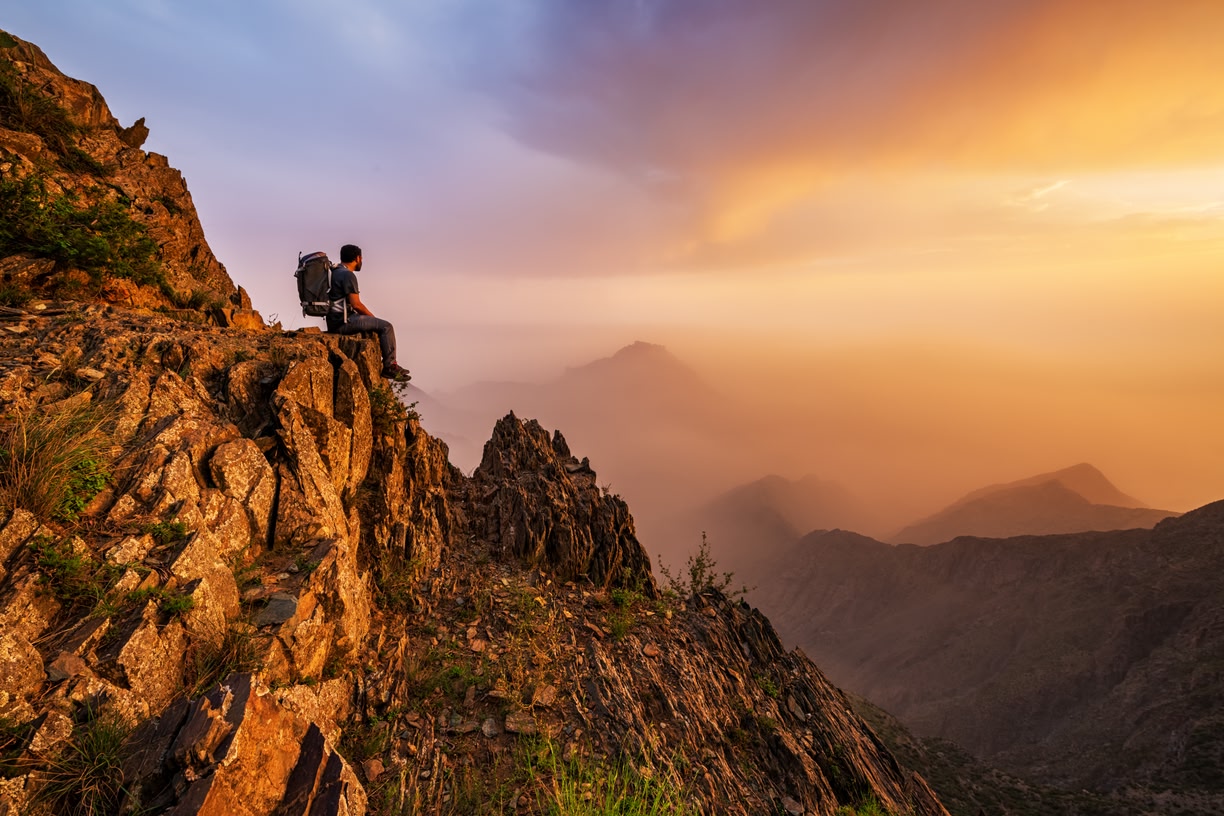
Picture a world full of undulating sand dunes, vast deserts, glorious mountain silhouettes and inherently rich culture. This is Saudi Arabia — a land of contrasts and the largest country in the Middle East, where you’ll find a treasure trove of hidden gems and magical sights. The fact that this kingdom hasn’t been explored much by tourists certainly adds that extra allure.
As part of its Vision 2030, Saudi Arabia hopes to be one of the top five destinations in the world, with a target of 100 million international and domestic visitors. Hence, this kingdom is bolstering its tourist numbers by relaxing visa requirements, promoting world-class attractions and getting your interest piqued by the country’s abundant splendors. Saudi Arabia is way more diverse in landscape and scenery than you can ever imagine, from the breathtaking Red Sea coastline to the staggering mountain ridges of Asir.

This guide to Saudi Arabia serves as a nifty reference that will help you plan your adventures. With the sheer size of this beguiling country and plenty of room for discovery, we’ve got the basics covered for you. All you have to do now is to book a flight, pack your luggage, and bring along your adventurous spirit because this venture will be unlike any other.
Best time to visit Saudi Arabia
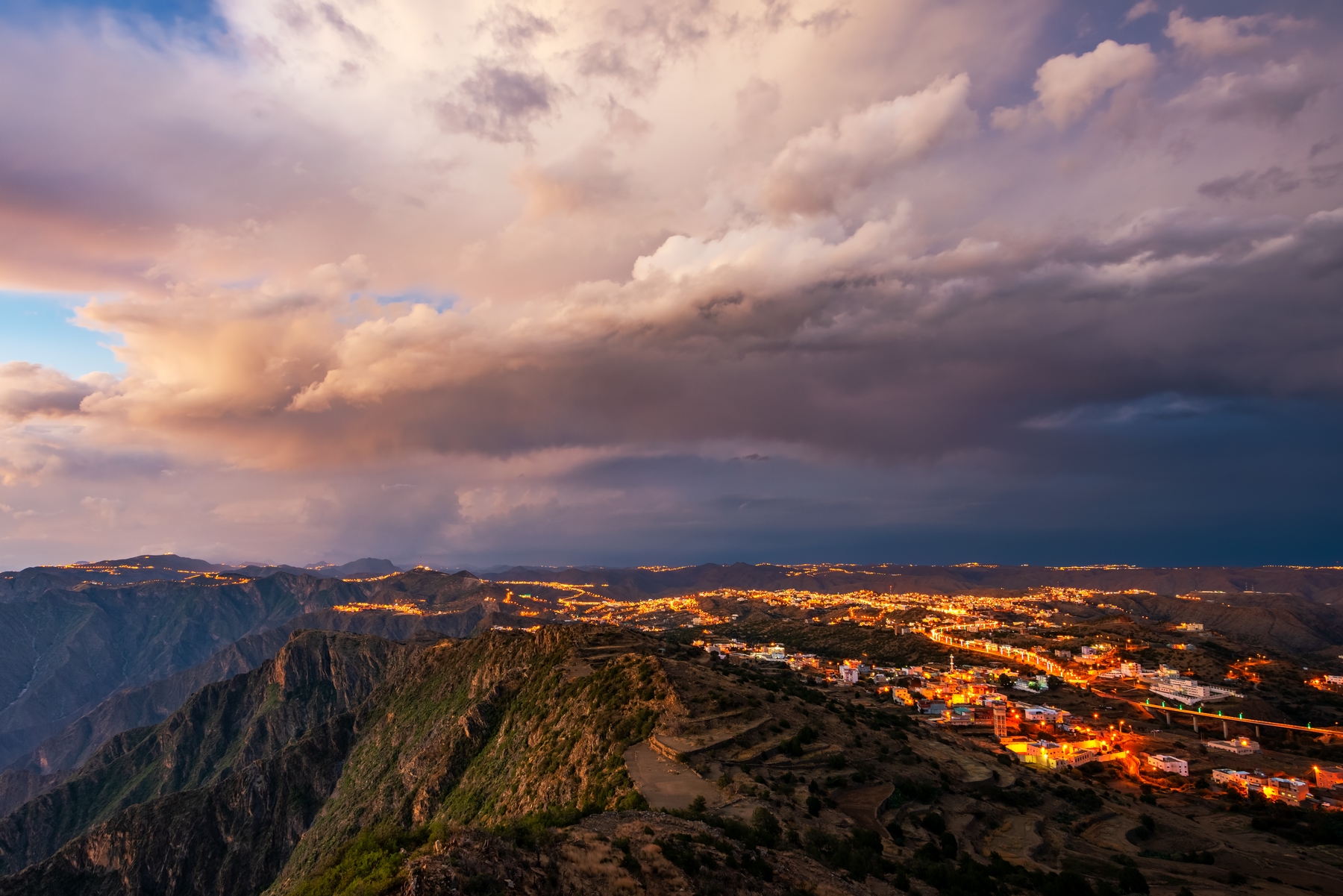
The perfect time to visit Saudi Arabia while escaping Singapore’s blistering heat and humidity is between November and February, which coincides with Saudi Arabia’s winter season. Winters in Saudi Arabia are rather pleasant, with maximum temperatures not going beyond 30℃. There is minimal to slight rainfall and in some southern parts of the country, you can even witness the occasional snowfall.
However, if you’re planning to visit the iconic Asir Mountains, you should do so either before November or after February because the winter season will leave the mountains engulfed in fog. From May to October, Southern Saudi Arabia receives most of its rainfall. It’s best to avoid this period as the inclement weather might hinder your outdoor plans.
Moreover, during (killer) summer months (June to August), temperatures in the desert can soar as high as 50°C. And bear in mind that Saudi Arabia has one of the driest climates in the world! You should definitely remember to stay hydrated and load up on fluids because heatstroke is a real danger here. On average, these summer months will record temperatures crossing 40℃ especially during the hottest months of July and August. Many locals will then flock to mountain cities like Taif and enjoy the cooler atmosphere. Another option would be to make a beeline for coastal cities like Jeddah and Dammam which boast temperatures that are lower than the inland region. If you come during summer, you might want to attend the vibrant Jeddah Festival which showcases authentic Saudi food, over 200 stalls, and an impressive fireworks display all along the Corniche — definitely a sight to behold.
For your trip planning purposes, do note that Saudi Arabia’s busiest month for tourists is November, followed by June and April. You can expect peak prices for hotels and flights during these months, though you can still save if you make your bookings well in advance. We recommend travelling in spring (March to May) when you can dodge the maddening heat and not be swamped by throngs of tourists — it’s a win-win.
How to get to Saudi Arabia
You might have the impression that a trip to Saudi Arabia will involve multiple connections and multiple airlines (and a lot of headaches), but thankfully that’s not the case. You can actually land in Jeddah via a direct nine-hour flight on Saudia — that’s the only airline that offers direct flights from Singapore. On top of that, you can choose to fly on budget carriers like Scoot.
If you wish to kickstart your Arabian adventures in cities like Riyadh, Dammam and Tabuk, that’s possible too. After a short layover in Jeddah, you can fly to these cities with quick domestic flights.
Saudi Arabia visa information

Previously, there was no such thing as a tourist visa to Saudi Arabia; the visas available were either for business or pilgrimage (hajj and umrah) purposes. Today, a trip to Saudi Arabia will not involve appointments and cumbersome trips to the embassies, all thanks to fuss-free tourist visa applications that can be obtained online. This monumental change implies that now, even non-Muslims can visit this intriguing country!
Singaporeans can obtain a Saudi Arabia eVisa online without having to present official documents to the embassy or Consular Office. For standard eVisa processing, the total fees involved per application is US$175 (S$240).
Travellers will benefit from a one-year, multiple-entry visa, which allows them to spend up to 90 days in the Kingdom for leisure purposes. The application takes less than 10 minutes and the status of the eVisa will be made known via email — it’s really a breeze.
Where to go in Saudi Arabia
1. Riyadh

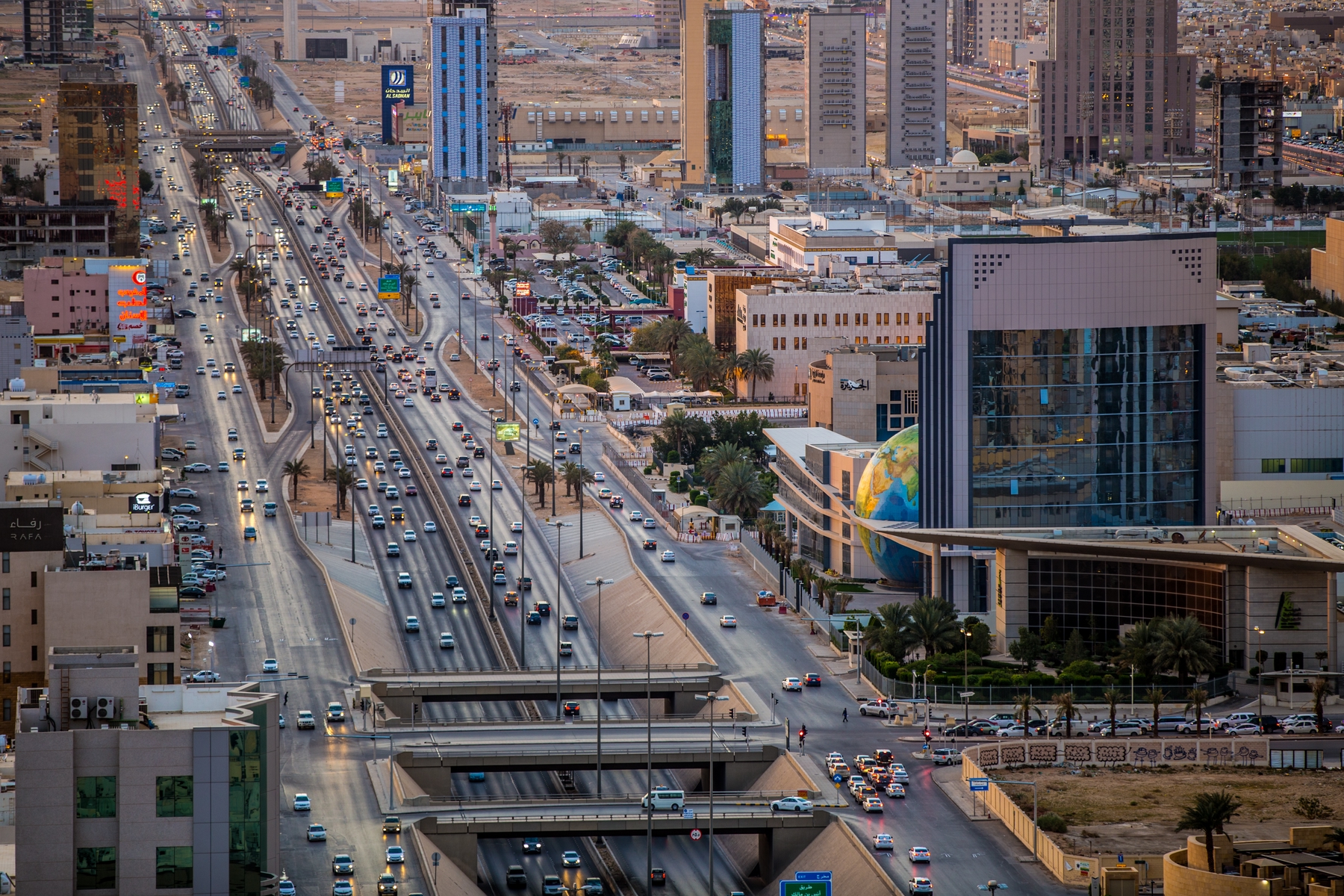
Riyadh, the capital of Saudi Arabia, is the most populous city of the Kingdom and it’s dotted with futuristic buildings. Some must-visit places of interest include Masmak Fort, Murabba Palace, the Sky Bridge, Red Sand Dunes and of course, the Edge of the World. This city is an eclectic mix of soaring modern architecture and dramatic natural landforms. One day, you’ll be amazed by the remarkable views from the Sky Bridge at Kingdom Centre. The next day, you’ll be completely astounded by the natural, 300-metre-high cliffs in the middle of the expansive desert.
2. Jeddah

Better known as the historical gateway to the Holy City of Mecca, this glittering coastal city features a beautiful old town and the scenic Jeddah Waterfront. Further up the coast, you’ll chance upon a spread of beach resorts and scuba diving opportunities for all you diving enthusiasts. Besides the beach, you can wander amidst the spices and incense at Jeddah’s souks, or explore the cobbled back streets of the old district of Al Balad. This is where you can marvel at the coral architecture that will whisk you back to the history of this former bustling port.
In Jeddah, you must also visit this World Heritage Site: Ah-Ahsa Oasis, where you’ll notice more than two million date palm trees. Another must-visit landmark? The King Fahd Fountain which also happens to be the tallest fountain of its kind in the world.
3. Al-Ula

If the sight of Petra in Jordan excite you, it’s secret cousin Al-Ula will leave you enchanted by its prehistoric landmarks and cultural offerings. The old town of Al-Ula is home to the first UNESCO Heritage Site in Saudi Arabia — Mada’in Saleh. The inscriptions found on some of the rocks at this archaeological site is evidence of the Kingdom’s intrinsically rich heritage. Speaking of rocks, don’t miss the chance to witness the iconic Elephant Rock too. Just a 20-minute drive away from Mada’in Saleh, you’ll spot the Ikmah Mountain which is also part of Al Ula’s cultural treasures.
4. Umluj
For a country predominantly known for its deserts, you might never guess that this is Saudi Arabia and we don’t blame you. If you’re looking for a serene city where you can indulge in some of the most crystalline waters and charming beaches, Umluj is the place to be. Umluj falls under the Tabuk region which is also renowned for its beautiful black sand dunes. This veritable paradise is located right next to the Red Sea which presents endless opportunities for you to snorkel, dive and just drown your sorrows. The most popular beaches here are Ras Al-Shaaban and Doqm.
5. Abha
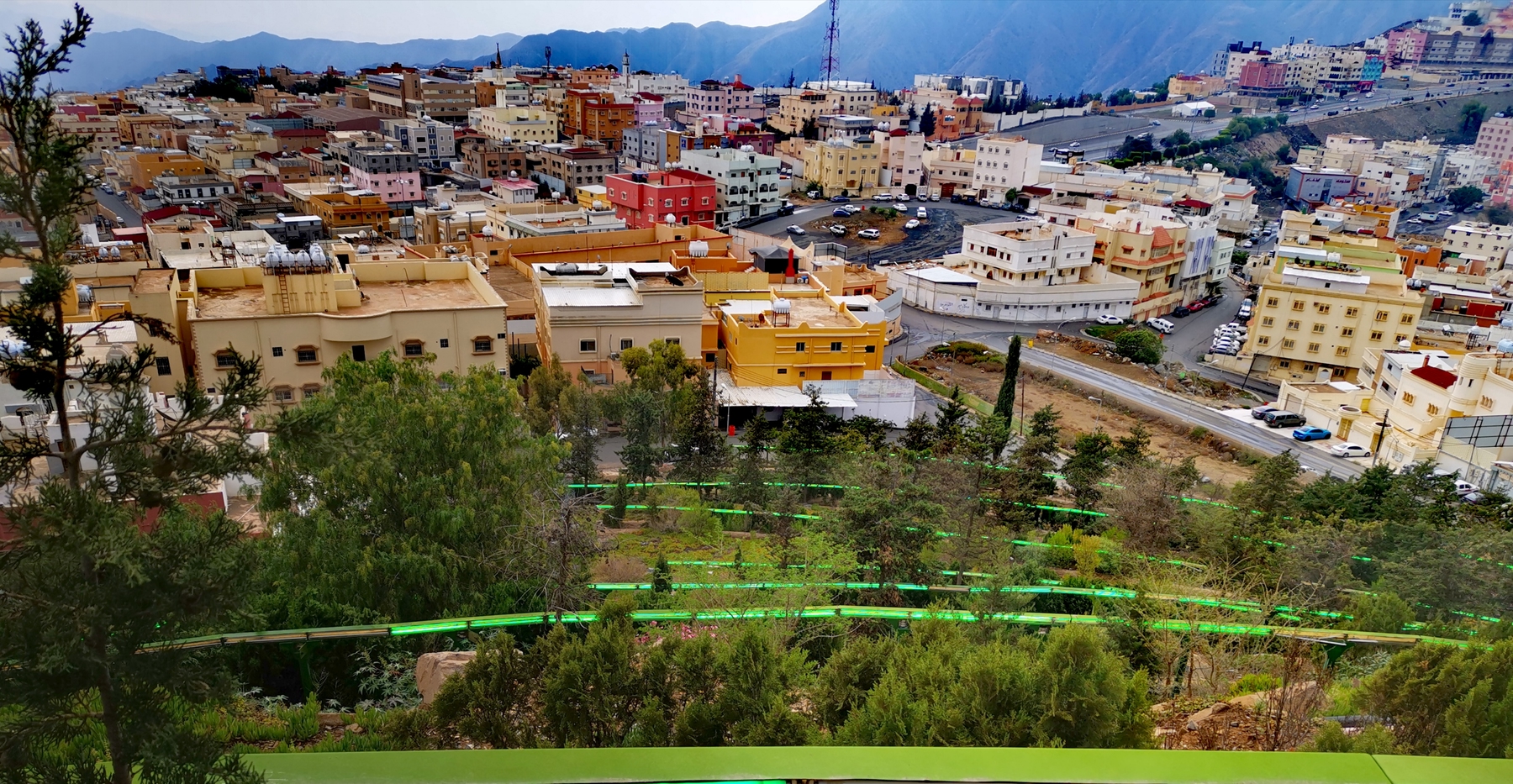
Abha is a quaint mountain resort city in the southwest region of Saudi Arabia. There are several things that you have to see here and Jabal Souda takes priority. This is the highest peak in Saudi Arabia! If you’re not big on hiking, you can access the summit via a cable car (thank goodness). Do note that the cable cars only run during the summer season.
Alternatively, spend some time discovering villages such as Habala Village and Rijal Alma Heritage Village. Here, you can even witness old stone houses that reflect the area’s unique heritage. The Asir National Park is another notable location worthy of your visit, where you can feed baboons, marvel at stunning mountain sceneries and even have your very own picnic.
Tips for travelling to Saudi Arabia
1. Saudi Arabia is Islam’s spiritual heartland. Be informed that restaurants and shops may close during prayer times, which occur during five different intervals throughout the day.
2. Both men and women should dress modestly in public. Female tourists are not required to wear the black abaya, but clothes worn should not be revealing (covers knees, shoulders and chest). When entering mosques, females should also don a scarf and cover their hair.
3. The sale, purchase or consumption of alcohol is illegal in the country, and you shouldn’t be expecting much of a “nightlife” scene. Instead, you can spend your late nights shopping away as the malls usually open till late.
4. To get around easily, use ride-hailing apps such as Careem and Uber. If you decide to rely on local taxis, always negotiate the fare first. The other solution is to rent your own car.
5. The locals can be leery about photography, so be mindful. Also, be cautious of photographing government buildings and mosques.
6. If your trip coincides with Ramadan, be prepared as visitors are expected to abide by the restrictions of the fasting month. Many eateries will not open until dusk and the cities will mainly come alive in the evenings till late.
7. If you’re practising a non-Islamic faith, you’re advised to do so in private.
8. Just like in many other Muslim countries, weekends in Saudi Arabia are on Fridays and Saturdays. Most shops are usually closed on Fridays because of the weekly Friday prayers, so do plan in advance.
As the austere kingdom continues to fortify its tourism sector, you can expect stellar developments in the making: an entertainment mega-city in Riyadh (reportedly double the size of Orlando’s Disney World!), restoration of majestic UNESCO sites and a futuristic beach destination that will lure you to visit the Red Sea even more.
Saudi Arabia is not just a scorched desert; it has a diverse profile that will entice a myriad of travellers from around the globe. The capital Riyadh will showcase the modernity of the kingdom through its colossal skyscrapers, while the pristine waters of the Red Sea beckon in the south. Not forgetting the snow-covered Tabuk peaks and the Asir Mountains — the kingdom’s own jewel —, there are plenty of reasons to get you to set foot on what could be tourism’s final frontier.


